'%3E%3Cg%20id='d'%3E%3Cg%20id='c'%3E%3Cg%20id='b'%3E%3Cpath%20id='a'%20stroke-width='1.3'%20d='m1%202%2034%2074%202%201v-2L9-2M8%2027c0%2011%207%2018%206%2028s5%2016%206%2020v7c1%201%204-3%203-8-1-6-5-7-4-20%201-12-5-15-4-26'/%3E%3Cuse%20href='%23a'%20transform='rotate(23)'/%3E%3C/g%3E%3Cuse%20href='%23b'%20transform='rotate(45)'/%3E%3C/g%3E%3Cuse%20href='%23c'%20transform='rotate(90)'/%3E%3C/g%3E%3Cuse%20href='%23d'%20transform='rotate(180)'/%3E%3Ccircle%20r='34'%20stroke-width='2'/%3E%3C/g%3E%3C/svg%3E)


Tourniquet: Stop The Bleeding | The Birth Of A Legend…
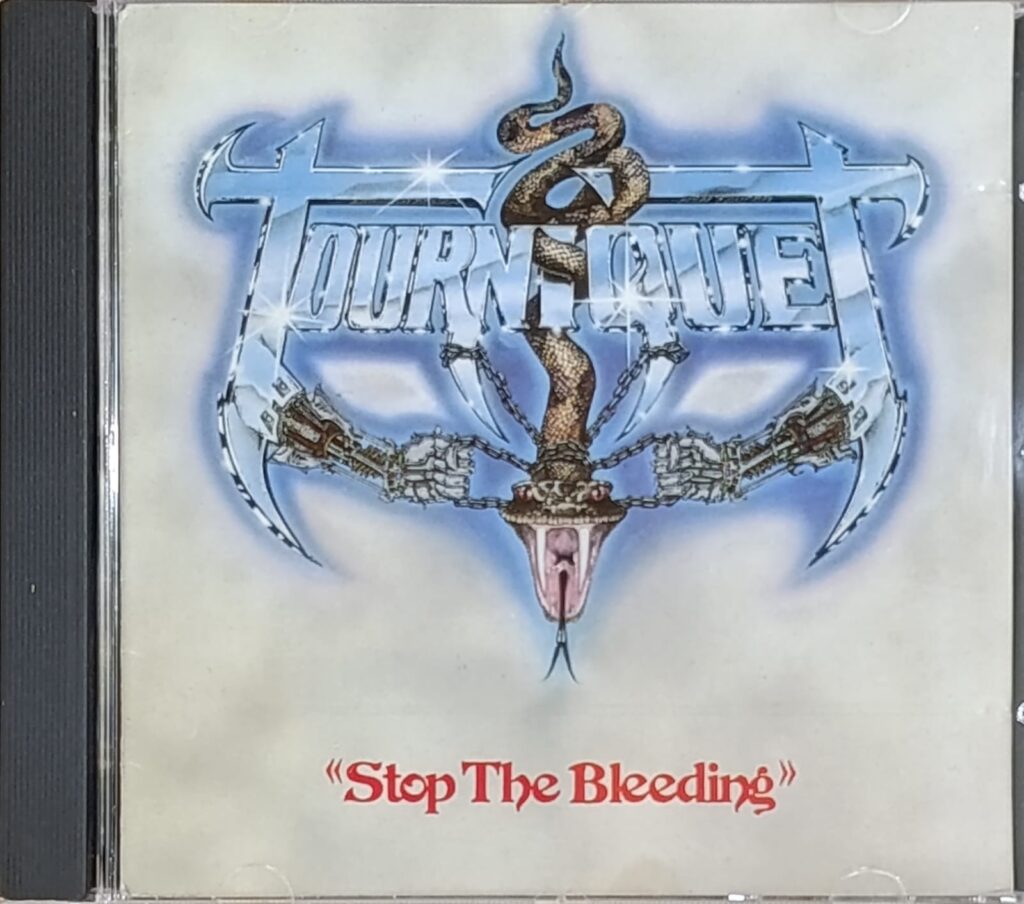
(1990 – Intense Records)
I bet that whoever plays this album for the first time has never, ever heard anything like it, sparking that curiosity that asks, where did these guys come from? In fact, it’s very likely that they’re one of the last bands with something interesting to say musically, and it’s very difficult to pin a specific label on them or describe in words what comes out of the speakers. In fact, Tourniquet’s greatest strength was doing something that was completely outside the norms of its time—and of past eras—in a way that could really blow people’s minds. Their debut track, “Stop The Bleeding,” is the best example of how it all began.
With ingredients ranging from Anthrax/Megadeth-style Thrash Metal, so-called Speed Metal, Progressive Metal, a King Diamond-esque lead vocalist, and an incredible personality, Tourniquet burst onto the scene in 1990 under the Intense Records label with “Stop The Bleeding,” their debut album featuring a brutal barrage of 10 impressive songs. Still in a trio format, and with Mark Lewis on guitars and Erik Jan James on bass joining as guests, Tourniquet delivered a precise blow that, even today, continues to blow people’s minds. It’s worth noting that following the release of this album, Erik Mendez on guitar and Victor Macias on bass would join the band, transforming it into a quintet.
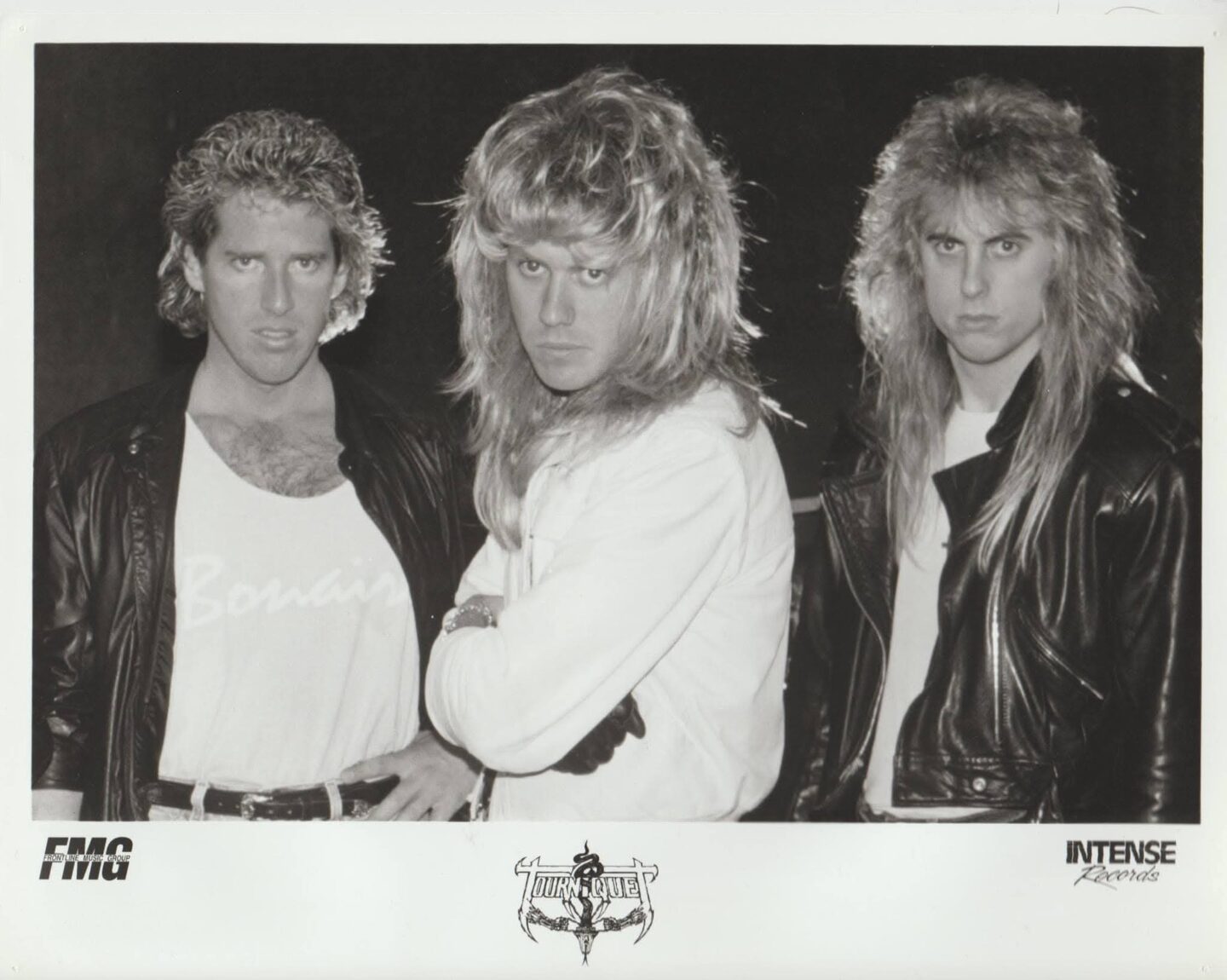
“Stop The Bleeding” takes us into the Tourniquet universe, where Ted Kirkpatrick (R.I.P.) reigns supreme behind the kit. A lover of classical music, an animal rights advocate, and the owner of a multi-piece drum kit (not just for show but because it REALLY hit every single drumhead), his signature sound gives each Tourniquet track a unique flair. You only need to listen to any track on this album to realize how he sets the pace for each song, adding a distinct color and sound to every track.
The combo was rounded out by the well-crafted riffs, bases, and melodies from Gary Lenaire’s guitar, who also contributes his grave vocals, which starkly contrast with the high notes of Guy Ritter, the band’s vocalist, who at times even becomes jarring with his high-pitched singing. That’s what Tourniquet is all about, and especially this album.
The combination of all the aforementioned factors, along with impeccable production, makes “Stop The Bleeding” that dream debut—perfect, overwhelming. The beginning of that perfect storm that Tourniquet would become over time.
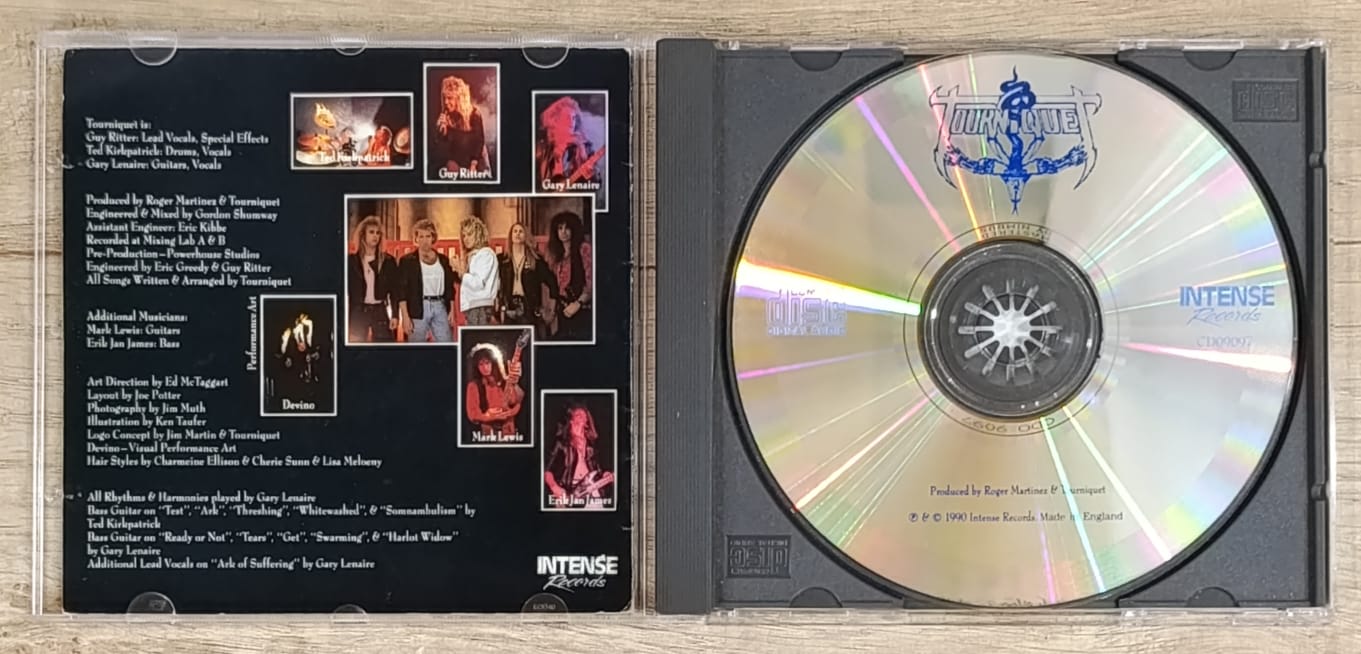
The first track to play when you drop this album is “The Test For Leprosy,” with Kirkpatrick’s drums setting the rhythm—dense, heavy, and dark, at a moderate pace, punctuated by an excellent double-bass drum roll and riffs with clear classical influences in their conception, shifting between deep and shrill. That’s what it’s all about, and right from the start, Tourniquet proves that it’s something totally different from anything you’ve ever heard.
And if that wasn’t clear enough, next up is one of the album’s most dizzying tracks, “Ready Or Not,” with Guy Ritter’s high-pitched vocals at full blast and Lenaire’s guitars flying in every direction. But that’s not the only fast and devastating track Tourniquet has to offer, and if you don’t believe me, there’s “Ark Of Suffering”—fast-paced, with an unrelenting drive and Lenaire’s vocals plus Guy Ritter’s melodic choruses. Ultimately, this track would be the single chosen to promote the album and, in the end, the only one released with a music video (in which Tourniquet appears as a quintet and in its more classic lineup). The riffs and guitar solos fly and even make your blood run cold. Pure madness from every angle (or rather, every listen). The song, in defense of animals, is another characteristic the band would maintain over the years, as in addition to being Christians, the members of Tourniquet demonstrate in their lyrics a stance in favor of animal life, which—combined with their later habit of naming songs with strange medical terms—gives them a different vibe from the typical White Metal band.
Things seem to calm down with “Tears Of Korah”; at a moderate song and with some interesting harmonies in its composition, it’s like the calm after the storm. It seems like one of Tourniquet’s most interesting forays into something much more technical and progressive, one might say, though to tell the truth, they never completely abandon that devotion to speed and the various guitar riffs and orchestrations, courtesy of Gary Lenaire, who was already bringing his characteristic sound to the band. Evidently, this is where Tourniquet’s penchant for intricate arrangement and complex composition really comes to the fore—a trait that would follow them throughout their career.
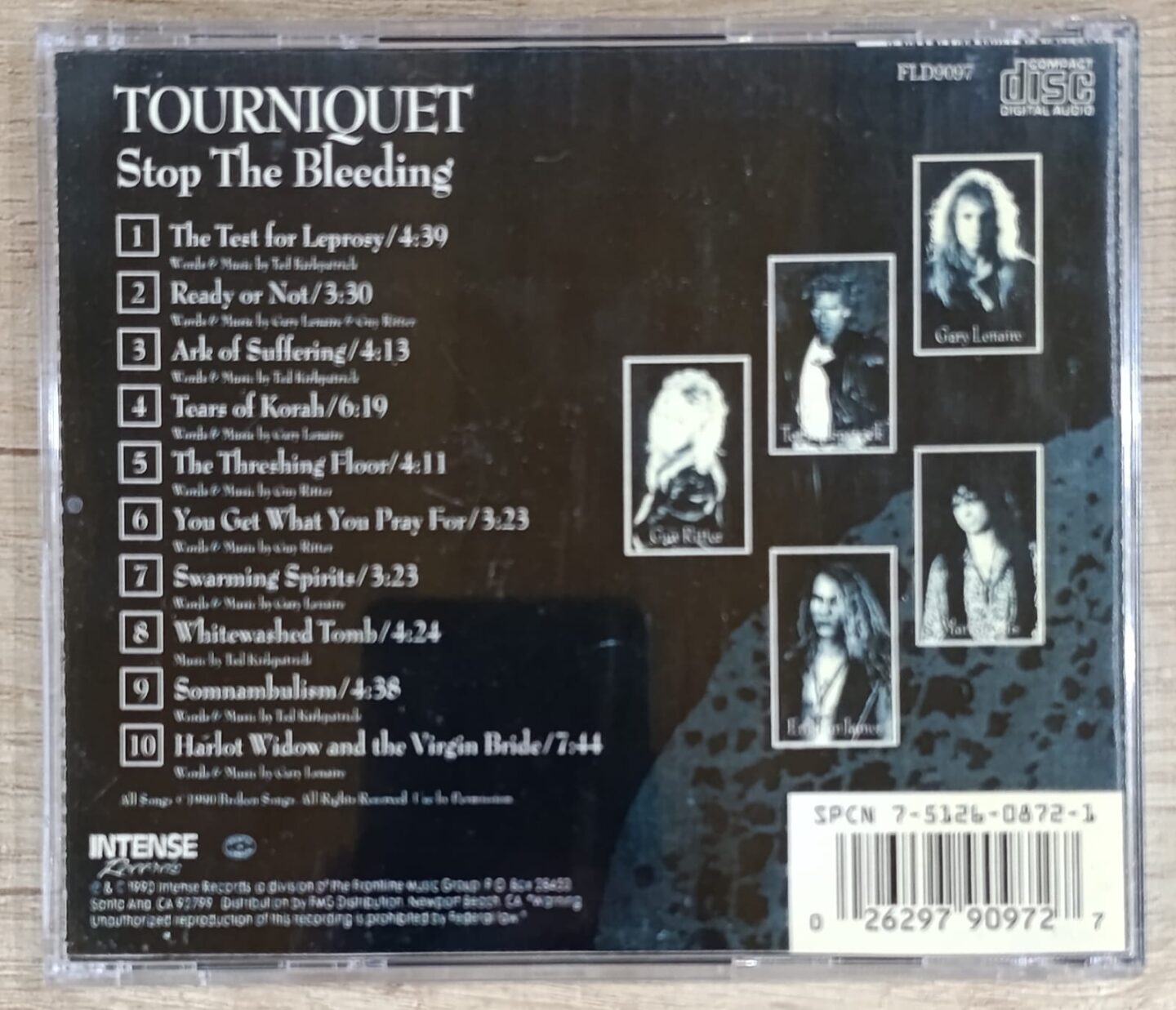
Would it be fair to say that “The Threshing Floor” might be the weakest track on the album? Ritter’s vocals are too high-pitched, and the song has a basic structure—though, to be honest, at this point that’s not all that surprising. Ultimately, it doesn’t clash with the rest of the album, but for some reason, it seems to go a bit unnoticed, which isn’t the case with “You Get What You Pray For,” a fast-paced, powerful display of versatility with just the right melodies to be considered almost a classic.
More frenzied riffs await us in “Swarming Spirits,” a song with melodic hints, but in Tourniquet’s hands, slowness has no place; instead, it advances at varying paces with the ever-relentless sound of Gary Lenaire’s guitars and Ted Kirkpatrick’s incessant, methodical drumming, and in the meantime, Tourniquet delivers an instrumental in “Whitewashed Tombs”; with full classical inspiration in its composition, though let’s not fool ourselves. There are no flutes or keyboards or anything of the sort, but rather a sublime interpretation of intricate chords and a sort of quasi-march in between.
“Sonnambulism” is another classic within a classic like “Stop The Bleeding.” With a slow but precise march, it’s surprising that it was never given much attention. Almost like a continuation of the previous track, a section of pure riffs and a guitar solo
With “Harlot Widow And The Virgin Bride,” the album’s final track, you could say they almost went off the rails. Complex, strange, and even bordering on the incomprehensible, this is likely where Tourniquet’s musical “madness” surfaces most. The song itself feels like an opera with varying speeds, sounds, and moments, grounded in the Thrash/Speed foundation the band develops on this album—in their own way and at their own pace, which is abundantly clear. The twisted riffs, combined with the speed and Guy Ritter’s high-pitched vocals, provide the necessary framework for a sound that, as the albums progressed, would become one of their hallmarks.
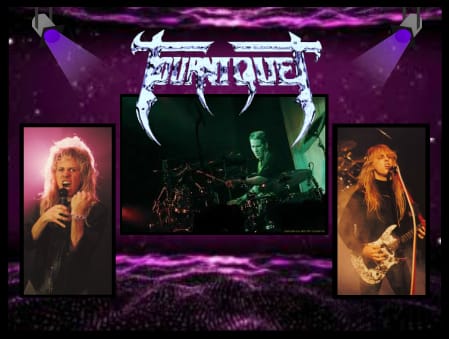
On “Stop The Bleeding,” despite the production perhaps still being a bit rough around the edges, they achieve a great sound very similar to what was typical of Thrash Metal in those years. In that regard, it’s not all that surprising. Powerful and immersive, the sound was a result of the contributions to the production by Roger Martinez (Vengeance Rising) and the band itself, according to the credits—though it’s said that, in reality, it was Bill Metoyer who was at the controls. On the next two albums, the spirit of this first Tourniquet would build to a crescendo, only for the band to later—amid the usual lineup changes—shift toward new horizons, a matter for further analysis that, in this case, is a topic for another time.
What sets “Stop The Bleeding” apart are the songs themselves and that innovative spirit that Tourniquet brought to their own take on Speed/Thrash Metal, and each member of the band played a significant role in that; the combination of all these factors results in an unforgettable album, and the kickstart to a long history that extends to the present day, in which, following the passing of the beloved Kirkpatrick, Gary Lenaire took the reins and breathed new life into the band, promising a new album in 2026.
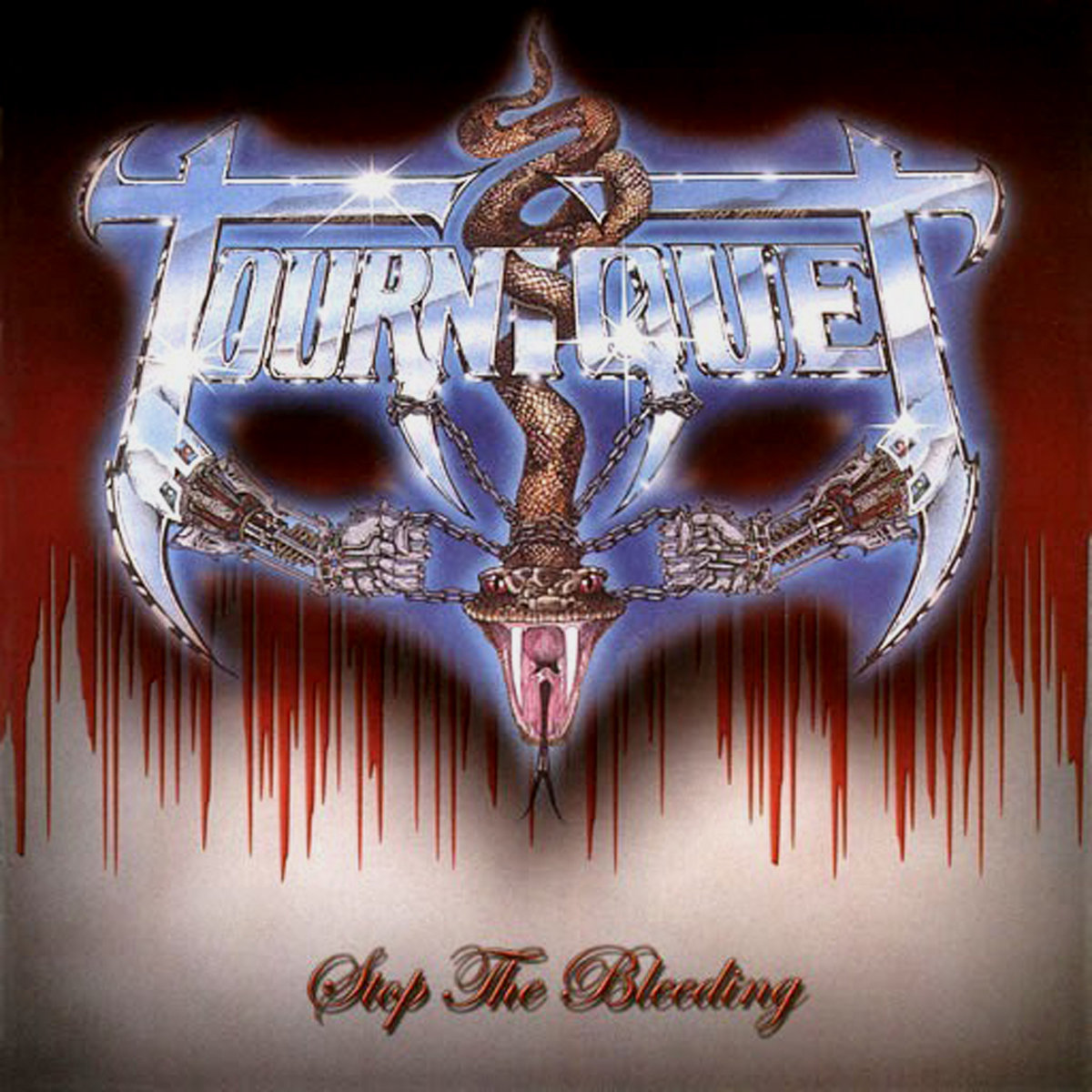
We don’t want to forget the cover art, which, in its simplicity, also left its mark on the band’s history and is a great example of how a strong visual can convey the whole vibe behind the band’s name. I used to have a T-shirt with that logo back in my youth—it was just as impressive then as it is now. Without a doubt, a true icon.
We have an original edition of this 1990 CD, and if we’re not mistaken, it’s a first pressing, but the album has had countless versions—it’s even been reissued with some bonus tracks and a revamped original cover. It’s currently available on vinyl and, of course, on CD, fortunately retaining the original design.
“Stop The Bleeding” may not be Tourniquet’s best album, though of course, that’s subjective. What is important to highlight is its significance and legacy, especially because it marked the first step for a band that would soon revolutionize the metal scene. Perhaps it didn’t receive the recognition it deserved. The fact that they were a “Christian” band and part of the White Metal scene may have worked against them a bit, even though later albums were promoted by a label like Metal Blade. But the reality is that if there’s one thing that can’t be denied, it’s the band’s tremendous personality and, above all, their originality infused with metal.
Over time, Tourniquet would become a myth, a legend, and “Stop The Bleeding” has a lot to do with that…..
Below is the only music video released from this album, for the song “Ark Of Suffering”—undoubtedly a classic by Tourniquet and a staple of white metal….