


Interview With Germán Pascual | “I Never Saw Myself As A Musician Limited To A Single Style”
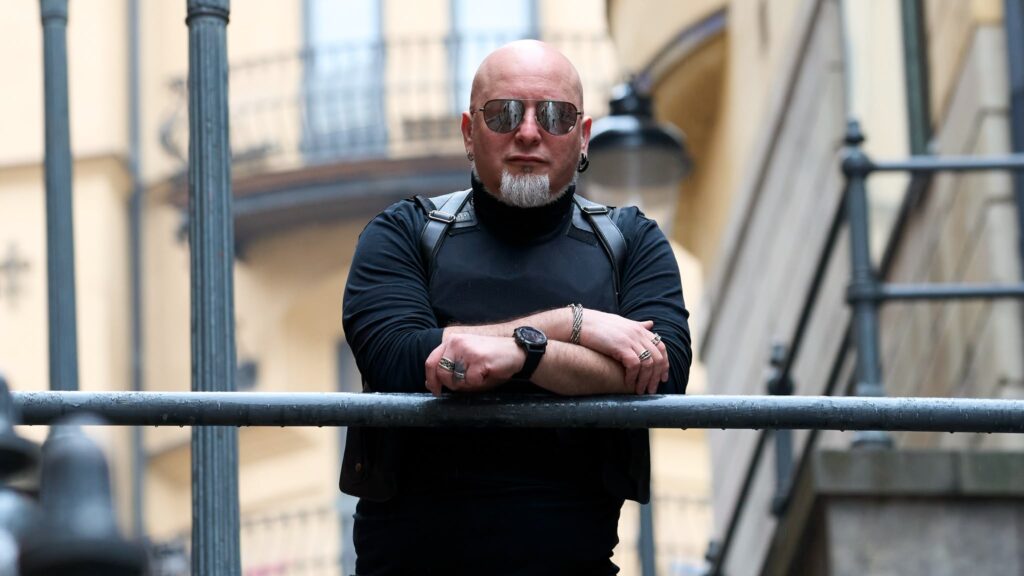
He’s a guy with an interesting story to tell—one worth listening to and discussing with him—and he’s also a completely humble person who’s always in a good mood. His history is tied to various projects, but he is particularly known for lending his voice to Narnia’s 2009 album “Course Of A Generation,” which inevitably brings up his connection to the Swedish band—though Germán Pascual’s story doesn’t end there. He has his own personal career, which has been crowned with two impeccable albums and his new project called Bethesda, alongside former members of Veni Domine, always delivering an excellent performance not only vocally but also in composition and production.
And above all, he never ceases to be a native of the Rio De La Plata region. Having lived in Sweden for many years, Germán was born in Uruguay, spent a short time in Argentina, and was raised in Brazil; his connection to the South American world is undeniable, and he has never lost that eloquence and resilience so typical of those born on this side of the world—and that explains part of his story and his relationship with Metal.
So we talked about a little bit of everything. His history, his time with Narnia, his solo albums, Bethesda, and also what’s coming up—his next project, “Away From The Noise,” in a fully acoustic format, which will likely be released in 2026…
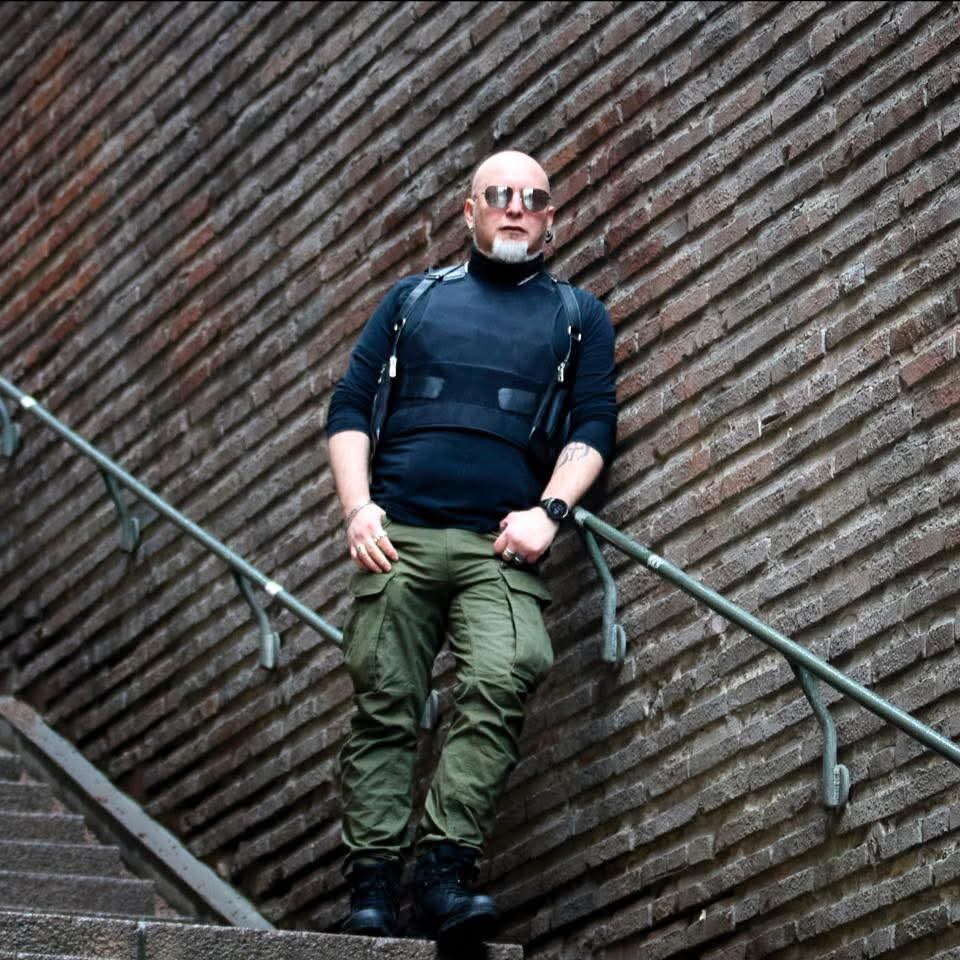
First of all, we’d like to know how, having been born in Uruguay, you ended up living in Sweden…
“Well, as they said, I was born in Uruguay of Uruguayan parents, but we actually lived there for only a very short time. I think when I was about six months old we moved to Buenos Aires and lived there for almost a year.
Then my father went to Brazil because we had some relatives living in Rio de Janeiro. Originally, the plan was to work on a highway construction project in the north of the country, but in the end that didn’t happen, and we ended up staying in Rio.
So I practically grew up in Brazil. I lived there from when I was a year and a half or two years old, and I spent my entire childhood and adolescence in Brazil, until we moved to Sweden when I was 14.
My father came to Sweden first because we had relatives here too—a cousin and his family—and he saw the possibility of starting a new life. So he came alone to try his luck and see how things worked out. He stayed for about six months, and once he was a bit more settled, he asked me if I wanted to come too.
Eventually, my sister Erika—who is six years younger than me—and I came, and about a year and a half later, my mother moved to Sweden as well.
So my life ended up being a pretty interesting mix of Uruguay, Brazil, and Sweden, and I think all those cultures somehow ended up influencing my personality and my music as well.”
We first got to know you through your contribution to Narnia’s album “Course Of A Generation,” but aside from that, what else have you been up to besides your solo career and your latest project, Bethesda?
“Music has always fascinated me since I was a child, though curiously, I never set out to become a singer. I’ve always been drawn to emotional music, whether it was rock, ballads, boleros, tango, or any style that conveyed real feelings.
I actually started out as a drummer. I played drums in a Thrash Metal band, and singing came about almost by accident. At a party, I met some friends who had a band called Crazy Squirrels, from the north of Stockholm, in Sollentuna. They didn’t have a singer, and that night I decided to try some Metal screams—half as a joke—and that’s when they started looking at me differently. That’s really where it all began.
From that moment on, I started training my voice seriously and gradually got involved in different projects and bands.
My first major recording was around age 18 or 19 with the band Minds Eye, which featured Johan Niemann, who is now known for Evergrey. After that, things kept growing, and I participated in many different projects.
In addition to Narnia, I was also in DivineFire alongside Christian Liljegren, and I was part of Empire 21 with CJ Grimmark and Tobias Enbert from Harmony, though unfortunately I had to leave the band due to family issues.
I also participated in projects like Essence of Sorrow and Heartwind, where we recorded the album “Higher and Higher,” and I collaborated with various international artists and projects, including the Brazilian metal opera Soulspell.
Over time, I felt an increasing need to build something more personal, and that’s when my solo career began to take shape. My first album featured significant contributions from Raphael Dafras, who helped immensely with the production and development of the record.
I also recorded guest appearances on various projects and songs, such as “Não Volto Atrás” by Diztord.
And finally, Bethesda came along. Thorbjörn Weinesjö and I always had a strong musical chemistry and were eager to create something together. The project began around 2014, though it took quite a while to finish because we were both busy with other things in life. There were long periods where the album was on hold, but over the last few years we were finally able to complete the songwriting and recordings to give the album its final form.”
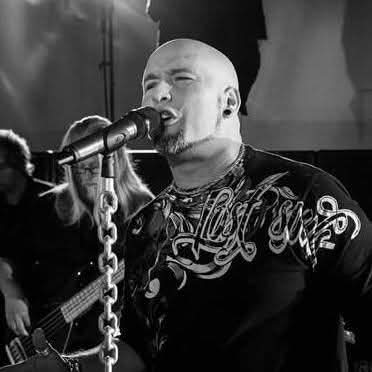
How did you end up with Narnia and record “Course Of A Generation”? What memories do you have of that time? And I suppose you’re still in touch with them, since you actually recorded a Portuguese version of “Living Water”—are there any new plans with them for the future?
“Actually, my arrival at Narnia was thanks to Daniel Flores, the drummer for Minds Eye. He spoke with Andreas Passmark, who was Narnia’s bassist at the time, and mentioned me because they were looking for a singer.
I’d already had some contact with Andreas before because we’d talked a bit about the possibility of doing something musical together at some point, so my name was already familiar to them.
At that time, Christian Liljegren had decided to take a break from Narnia because he was involved in so many projects and bands at the same time. So CJ Grimmark told him something like, “You keep doing your thing, and we’ll keep going in the meantime.” And so the search for a new vocalist began.
A lot of people auditioned for the band. Even Göran Edman, who also sang with Yngwie Malmsteen, showed interest in participating on the album. But after talking a bit and meeting up in Stockholm, I did an audition and they finally chose me.
Obviously, for me, it was a huge deal, and I have very fond memories of that time. “Course Of A Generation” ended up being a very important album in my life and also an experience where I learned so much, both musically and personally.
And yes, we still have a very good relationship. We’re friends, and honestly, I always feel like there’s an open door to doing things together in the future in some way. Not necessarily as Narnia’s official vocalist, because the band has its own identity and Christian is a very important part of it, but definitely through collaborations, recordings, or special appearances. I love working with CJ Grimmark, and the other band members are incredible people. Christian and I also have a very good friendship.
So if they ever need anything from me, I’ll honestly be happy to help. And in fact, it’s quite likely that we’ll do more covers of Narnia classics in Portuguese or perhaps also in Spanish.”
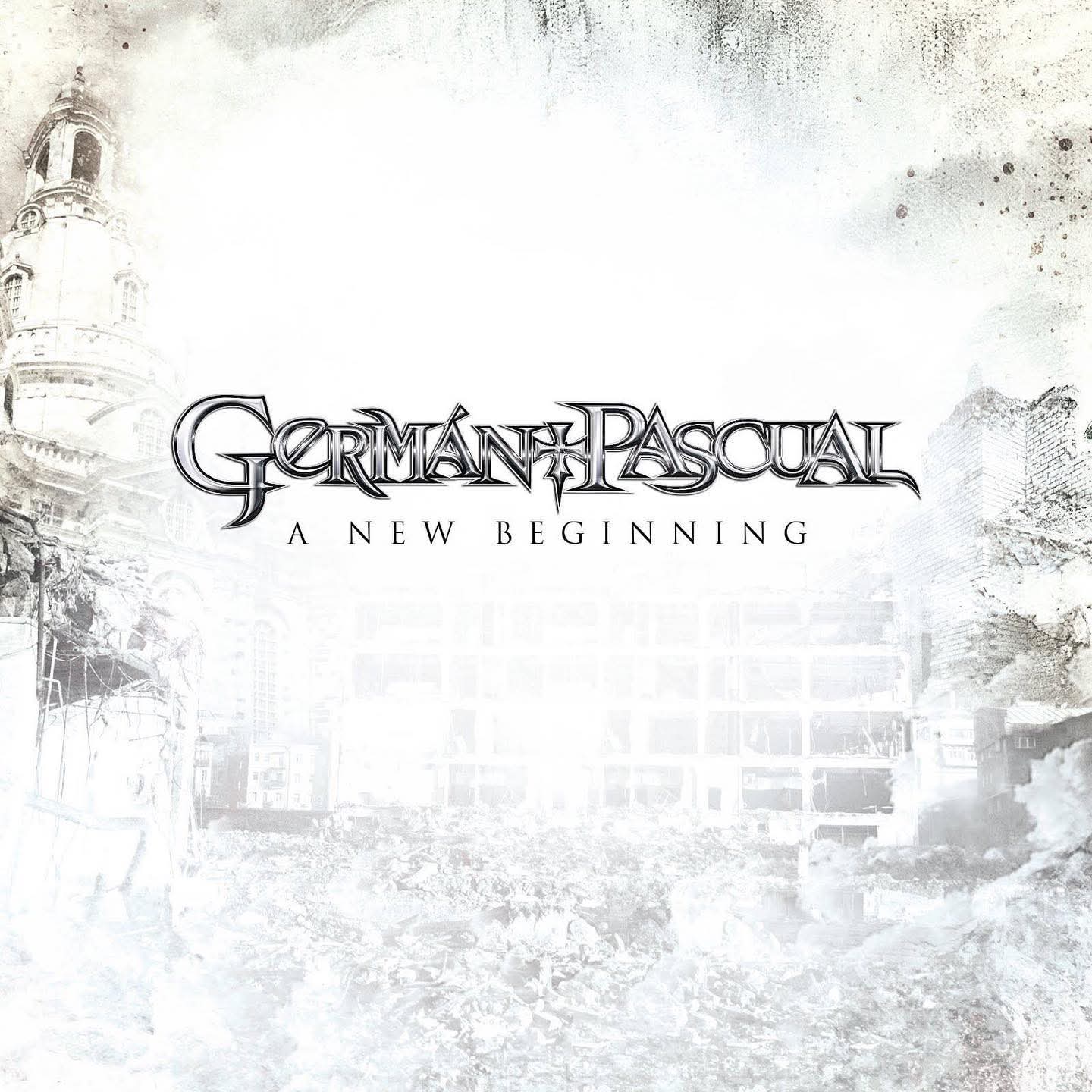
You released two solo albums, “A New Beginning” in 2012 and “Beyond Our Comprehensions” in 2025. How did the recording and production of those albums come about?
“After releasing ‘Course Of A Generation’ with Narnia and ‘Eye Of The Storm’ with DivineFire, I started having a lot of contact with Raphael Dafras, an incredible musician and composer from Brazil.
Originally, the idea was to form a band together, but little by little we felt that maybe it made more sense to start working on my first solo album. At that time, “Course Of A Generation” had made a huge impact in Brazil, and we thought that strategically, it might be the right moment to develop something under my own name. That’s how “A New Beginning” was born.
Raphael Dafras played a huge role in the album, especially in the musical composition. He wrote most of the material, and I worked extensively on the vocal melodies and lyrics.
The only song that wasn’t actually written by us was “Canción con Todos,” which I decided to reinterpret as a symphonic metal version. It’s originally a very well-known folk song that I discovered through the incredible voice of Mercedes Sosa (folk singer from Argentina).
The album was received much better than we ever imagined. We received extraordinary reviews from many parts of the world, and in various media outlets it received the highest possible ratings. That obviously made me very happy and motivated me a lot.
Unfortunately, at the same time, I was going through a very difficult period in my personal life. I was going through a very complicated divorce, and that deeply affected my emotional health as well as my relationship with music.
For many years, I practically stopped playing live. All I did musically was studio work. I went through a long period dealing with depression, fear, and insecurity, and honestly, there were moments when I thought about walking away from music completely.
But over time, people began to appear who helped me immensely to rediscover myself and my faith. One of them was Duane, a great friend whom, interestingly enough, I never met in person, since he lives in Wisconsin and I live in Stockholm, but we still built a very strong friendship. And, of course, my wife Alejandra, who had a huge impact on my life. Our relationship helped me immensely to draw closer to God again and to regain stability, hope, and the desire to create once more. Thanks to all of that, little by little I began to feel inspired to make music without fear.
During that period, an opportunity also arose to record an album with an English band called Fate’s Rebellion, although the material hasn’t been officially released yet. And it was precisely through Duane that the next step emerged. He got in touch with Bill Bafford from Roxx Records, and at some point the question came up: “When is Germán Pascual’s second solo album coming out?” The problem was that I didn’t even have an album ready yet.
But at that point I had already been working with Jani Stefanovic on some songs that were originally intended for Essence of Sorrow. Since that project ended up on hold because several members were busy with other bands, the songs were never released. So I asked Jani if he wanted to produce my second solo album, and he agreed. He also offered to reuse much of the material we’d already worked on, so everything started to take shape very quickly.
We already had several melodies, ideas, and lyrics ready, and then we added new songs like “Perfect Harmony,” which I even ended up recording in three different versions. And just like that, almost without realizing it, “Beyond Our Comprehension” was born.”
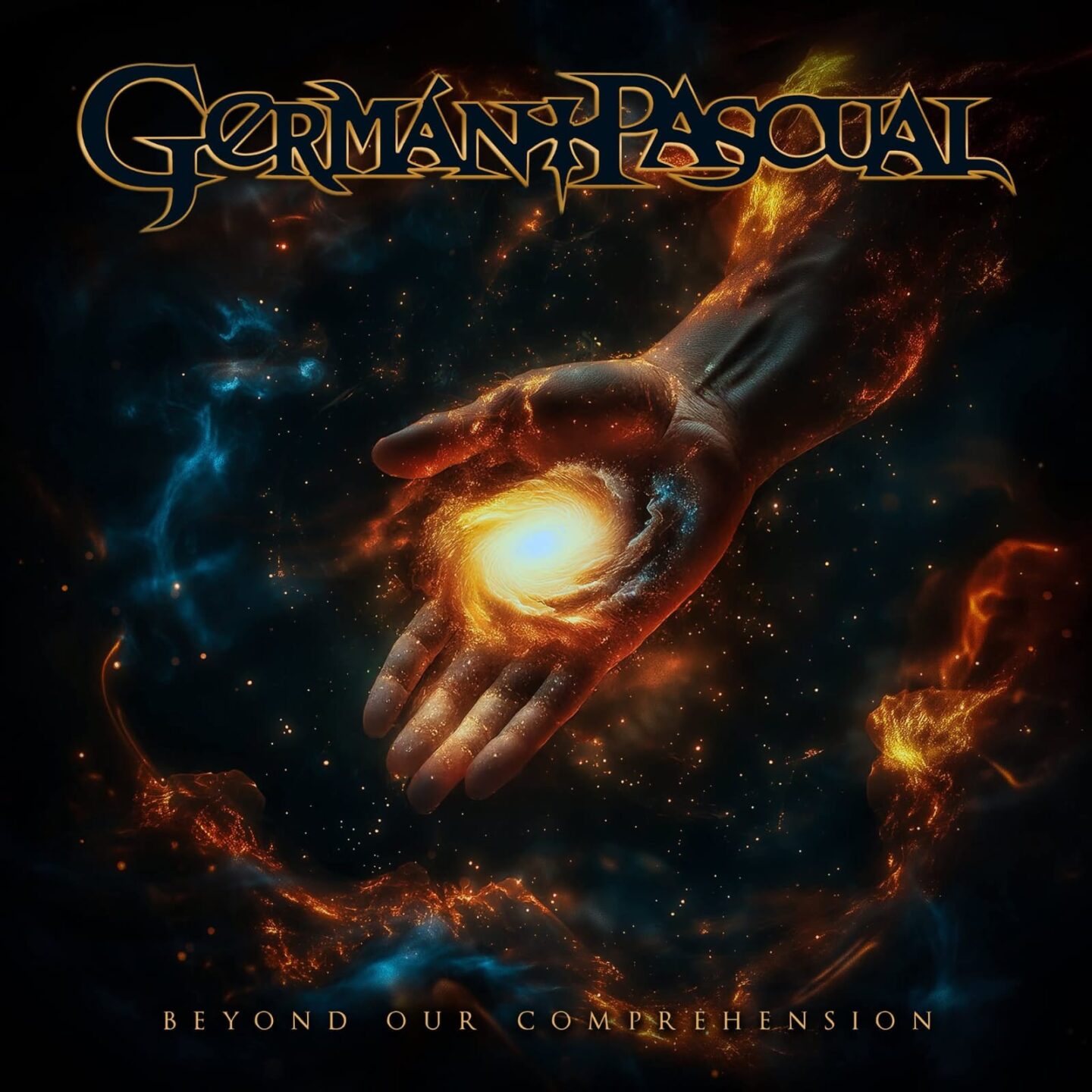
The style you’ve created with both albums has a little bit of everything—Power Metal, Melodic Metal, Progressive. How do you position yourself musically, and what influences do you draw on when composing? What was the specific concept behind each album?
“The truth is, I never saw myself as a musician limited to a single style. Obviously, Melodic Metal, Power Metal, and Hard Rock form a very important part of my musical identity, but my influences have always been much broader.
Ever since I was a child, I’ve always been moved by music that conveys real feelings. I grew up listening to a lot of rock and metal, of course, but also boleros, tango, classical music, Brazilian music, and even soundtracks. I’ve always been drawn to music with soul, regardless of genre.
I think that ended up reflecting naturally in my albums. There are elements of power metal, progressive metal, melodic hard rock, and also many more atmospheric and emotional influences.
For me, music was never just about technique or speed. I always cared more about creating an emotional connection with the listener.
“A New Beginning” largely followed the style and inspiration that came from “Course Of A Generation,” but with a bit more aggression and also more artistic freedom on my part. In Narnia, there was obviously an already defined identity within the band, whereas on my solo album I was able to explore my own ideas and emotions more.
Honestly, if I were to make that album today, I’d probably do a lot of things differently, because you change so much over the years and through life experiences. But I don’t regret anything. That album represents exactly who I was at that moment.
“Beyond Our Comprehensions,” on the other hand, was born from a completely different place. Life had already taught me many hard lessons, and I went through some pretty deep emotional and spiritual struggles. I think surviving all that ended up having a huge influence on the album.
That’s why the album has a much more sentimental, melancholic, and introspective tone. The lyrics talk a lot about internal battles, pain, hope, faith, and also about moving forward even in the darkest moments.
Musically, it also ended up being a more progressive and symphonic album than “A New Beginning,” although both share that essence of melodic metal with plenty of progressive elements.
And as for the vocal melodies, I think they come precisely from that whole mix of influences I have inside me. Metal is obviously a very important part of it, but so is all Latin American music, emotional music, and many other styles that have been with me since I was a child.
I’ve never liked limiting myself to labels. What I really always try to do is convey something true, something that comes honestly from my heart and that, in some way, can also touch the hearts of other people.”
The latest we’ve heard is that you’re releasing a third album, but in a different direction from your previous work. What can you tell us and give us a sneak peek of it? What can we expect?
“Yes, the new album represents a pretty different direction compared to my previous work, although at the same time I feel it’s a very natural evolution of everything I’ve done so far.
I think that over the years I’ve lost my fear of showing myself in a more vulnerable and musically honest way. I’ve always loved melodic metal, and that part of me is still there, but today I’m much more interested in conveying deep emotions than simply trying to sound heavy or technical.
Interestingly, much of this new direction began thanks to my cover of Stryper’s “Honestly.” That song ended up opening many doors for me and was exactly what caught Roxx Records’ attention. They heard that cover and basically offered me a contract right after listening to it. When we started talking and I mentioned that I’d wanted to record a more acoustic, atmospheric, and emotional album for a long time, they simply said, “Well, let’s do it.” And that’s how “Away from the Noise” began to take shape.
I don’t see it simply as “an acoustic album.” For me, it’s more of a conceptual and artistic work where each song represents different emotional and spiritual states I’ve experienced over the years.
The lyrics are probably the most personal I’ve written so far. There’s a lot of inner struggle, silence, hope, emotional exhaustion, faith, and a search for peace amid the constant noise of modern life.
Musically, there are still progressive and melodic elements, but expressed in a much more subtle, intimate, and cinematic way. Emotion has come to occupy the very center of everything.
And I’m also surrounded by incredible musicians on this project. Nenel Lucena will produce the album and also play the vast majority of the acoustic guitars. He’ll also be in charge of mixing and mastering. I’ll also once again have Raphael Dafras on bass and Davih Silveira on piano.
And there will be some very special guests, something that honestly excites me a lot. Among them are Jonatan Samuelsson and CJ Grimmark from Narnia, as well as Fredrik Sjöholm from Veni Domine, who will likely appear on the song “Away From The Noise.”
And another collaboration that makes me really happy is with Juninho Afram from Oficina G3. To me, he’s a true genius and someone I respect immensely musically.
I think some people are going to be quite surprised by this album because it’s not the kind of work many would expect after my previous albums. But honestly, I feel it represents much more who I am today as an artist and as a person. And that’s exactly why it’s probably the most important and most honest album I’ve made in my entire career.”
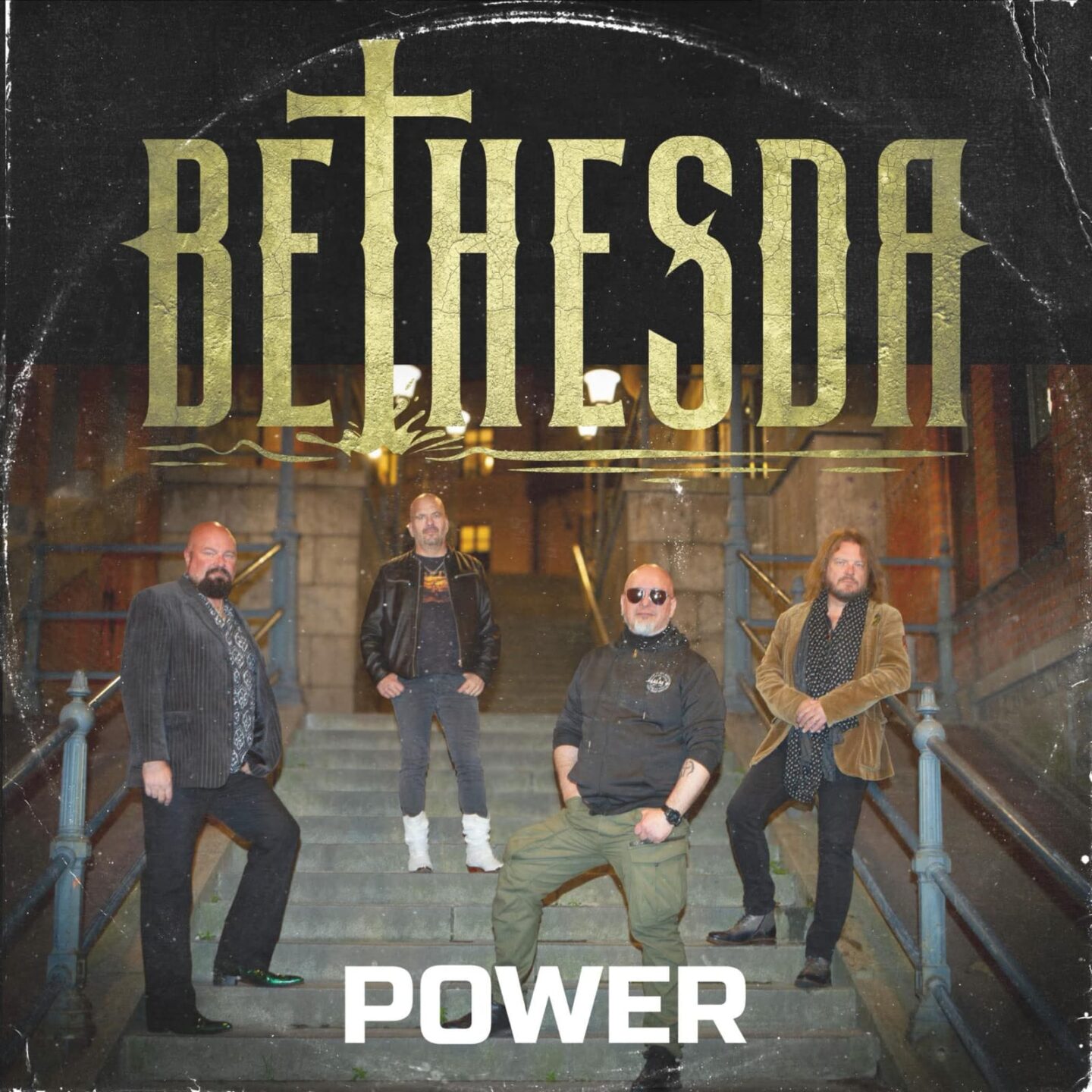
We found the Bethesda project really interesting—how did the idea come about, and what was the process of composing and recording the album like?
“Bethesda was born primarily from Thorbjörn Weinesjö’s musical vision. Much of the songs and the album’s identity came directly from his mind and his very particular way of understanding music. He invited me to participate in the project, and little by little I contributed some vocal melodies, lyrics, and ideas here and there, but honestly, the creative foundation of the album comes largely from Thorbjörn.
What I really loved was precisely the artistic freedom I found within the project. Bethesda allowed me to experiment with things I didn’t normally do within more traditional melodic metal. I was able to explore a more atmospheric, experimental, and emotional side, delivering vocal performances quite different from anything I’d done before. I’d never recorded anything quite like it.
And honestly, I’m so grateful to Thorbjörn for giving me that opportunity and for trusting me to be part of something so different and so personal musically.
The recording process also took quite a while. The project started around 2014, and there were long periods where everything came to a standstill because we were both busy with other things in life and other musical projects.
But in the end, I think that actually helped the album, because the songs had time to mature naturally. And when we finally managed to finish everything over the last few years, I felt that Bethesda ended up becoming one of the most unique and artistic projects of my entire career.”
Bethesda’s musical direction is a bit different—what did you have in mind when developing a unique style within the rock and metal genres?
“I think a large part of Bethesda’s musical identity comes precisely from Thorbjörn Weinesjö’s influences as a composer. There’s a lot of that essence of rock from the ’70s through the ’90s, although the strongest influence probably comes specifically from the ’70s. You can feel influences from bands like Rainbow or Black Sabbath, but also a lot of blues and that kind of more organic, emotional music where the songs have room to breathe.
And I think that’s exactly part of what makes Bethesda different within today’s rock and metal scene. We don’t try to follow modern formulas or sound overly produced or mechanical. There’s a much greater focus on atmospheres, emotions, and dynamics.
For me, it was also a very interesting opportunity as a singer because I was able to experiment with things I didn’t normally do within traditional melodic metal.
Perhaps the song “Power” has a bit more of my influence and is probably also somewhat inspired by bands like King’s X, but aside from that, much of the album’s musical identity comes directly from Thorbjörn’s artistic vision. And honestly, that was exactly what attracted me so much to the project. I felt that Bethesda gave me the chance to explore musical and emotional sides that were totally different from anything I’d done before.”
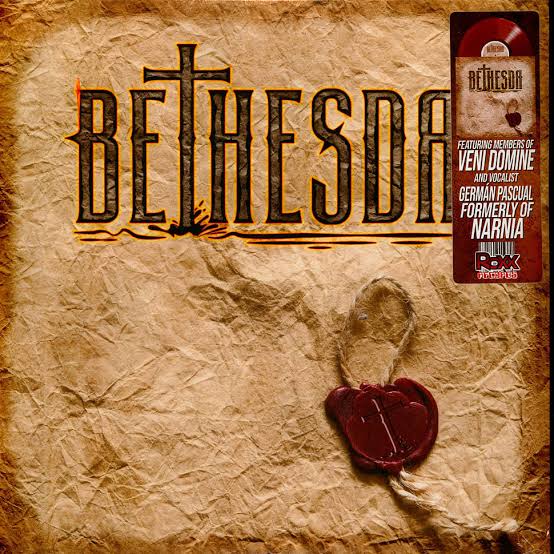
What future projects are in store for Bethesda? Have you performed live, or is there a plan to present the album live?
“Honestly, we’d really love to continue with Bethesda and keep developing the project in the future, because we feel there’s still so much to explore musically.
Bethesda was never intended to be a “traditional” band focused solely on touring or following the typical industry format. It always had a more artistic and emotional identity. That’s also why we took so long with the album. We wanted to create something with real personality and not just rush out music.
As for playing live, we actually did have a show planned, but unfortunately it couldn’t happen because I had to undergo a surgical procedure related to my nasal passages. After the surgery, I couldn’t sing for over two months, so obviously that made it impossible to pull off the performance.
So far, we haven’t officially presented the album on stage, and on top of that, everyone involved is busy with different projects, jobs, and personal responsibilities, so coordinating everything isn’t that simple either. But I honestly believe Bethesda has a lot of potential live if we ever manage to do it the right way. I wouldn’t want to do it just “for the sake of doing it.” I think a project like this deserves a special production and atmosphere to truly convey what the songs represent. So the door is definitely still open. We never know what might happen in the future. And I also feel that Bethesda still has a lot more to say musically.”
I listened to your cover of Stryper’s “Honestly,” and I have to say it really surprised me—in a good way—because you chose a song that’s hard to perform without being Michael Sweet, and you also gave it a different take, but it turned out spectacular. How did you come up with the idea to do this with a classic like that song?
“I’m going to be totally honest with you: originally, my idea was to record ‘To Hell With The Devil,’ which is practically Stryper’s most classic and iconic track. But at that point, Mark Boals was already working on that song, so I started thinking about what other track I could choose. And that’s when ‘Honestly’ came up.
It was always a song I really loved and that touched me emotionally in a different way. But at the same time, I knew it didn’t make sense to try to copy the original version, because Michael Sweet has such a unique and special vocal identity. So I thought the best way to reinterpret it was to take it in a much more intimate and raw direction. An acoustic version where emotional closeness and vulnerability were at the center of everything. I wanted the song to feel almost as if I were singing it directly in front of the person listening.
And interestingly, that reinterpretation ended up opening huge doors for me. A new acoustic album! So a song that started simply as a sincere tribute ended up having a much bigger impact than I ever imagined.”
When it comes to songwriting, what inspires you? Do your lyrics revolve solely around Christian themes, or do they cover a broader range of topics? Do you think that playing rock or metal and being a Christian is a contradiction, as many people believe?
“Personally, I don’t think there’s any contradiction between playing rock or metal and being a Christian. For me, music is simply a form of expression. What really matters is what you want to convey through it.
Music can be used to destroy, to manipulate, or to fuel negative things, but it can also be used to bring hope, sincerity, reflection, and even emotional healing to people.
In my case, I honestly never felt inspired to write songs about parties or superficial things. The vast majority of my lyrics stem from real emotional states, moments I’ve experienced, internal and external struggles, deep thoughts, pain, hope, fear, faith, or situations that have shaped my life in some way.
Obviously, my relationship with God greatly influences what I write, because it ends up being a natural part of who I am as a person. Love, hope, and the search for meaning are also themes that constantly appear in my songs.
I believe that lyrics often reveal what we truly carry inside. There’s a biblical phrase that says, “Out of the abundance of the heart the mouth speaks,” and I think that’s also very much reflected in the music we make. So rather than trying to fit into a label like “Christian music” or “secular music,” what I always strive for is to write something honest, human, and true. And I sincerely believe that metal, precisely because of its emotional intensity, can be an incredibly powerful tool for expressing deep struggles and real feelings.”
What’s your opinion on those who use AI in both the composition and production and recording of music?
“I think artificial intelligence is a very powerful tool, and I honestly believe it’s here to stay. I’m not against using technology in music, because historically, music has always evolved alongside new tools and new forms of production.
AI can be incredibly helpful in certain technical and creative aspects, and even as support during composition or production processes. For pre-production, demos, or developing quick ideas, it can really be a very useful tool. But at the same time, I also believe there’s a limit where art needs to remain human.
For me, much of the beauty of music comes precisely from imperfections, from wounds, from real experiences, and from all the emotions a person has lived through in their life. Often, the most emotionally powerful songs are born precisely from difficult moments, from inner struggles, from love, loss, hope, or pain. And that is something that comes from being human.
So yes, I believe AI can be an excellent tool, especially as technical or creative support during certain stages of the process. But personally, I feel that true composition still has to come from the heart and from human experience. The same goes for musical interpretation and performance. And honestly, when I no longer hear a real human voice but a completely synthetic one, something important is lost for me. It may sound technically impressive, but it no longer conveys soul or artistic value to me in the same way.
So I don’t see AI as an enemy, but I do believe we must be careful not to lose precisely what makes music human.”
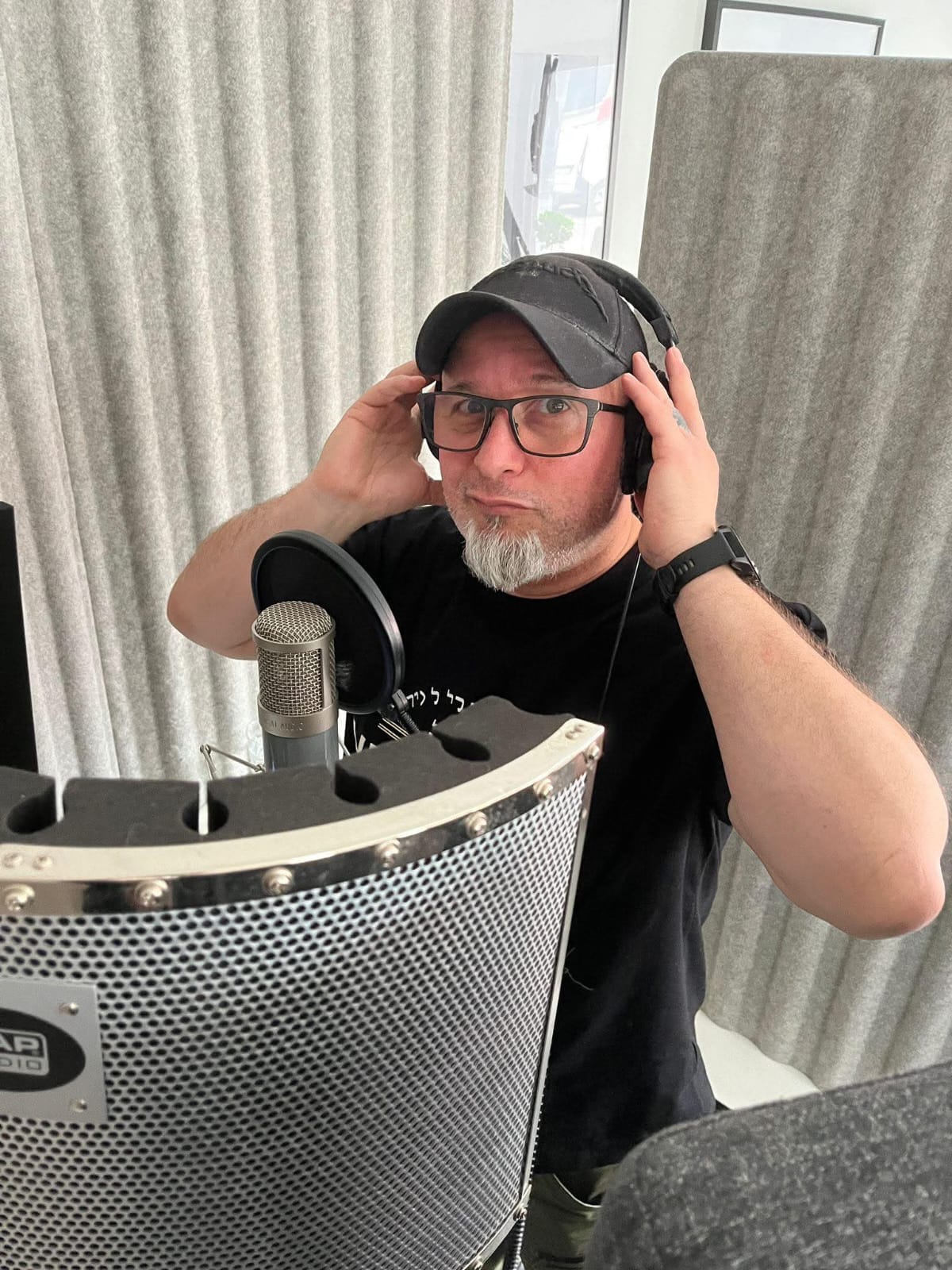
I guess, as a true Uruguayan, you still drink mate like everyone from the Río de la Plata… will we have you here for a show sometime?
“Of course I still drink mate! That’s never gone out of my life (laughs). And I still love a good asado, too, so certain things from the Río de la Plata never fade away, even if you live far away for many years.
The truth is, even though I’ve lived in Sweden since I was 14, I still feel a very strong connection to South America. Uruguay is obviously part of my roots, Argentina is also part of my history because we lived in Buenos Aires for a while when I was very young, and Brazil ended up being practically the country where I grew up and where a large part of my personality was formed. So in a way, I feel like I carry a little bit of all of South America inside me. I think that mix also ended up having a huge influence on the way I feel music and express myself emotionally. And honestly, I really miss the warmth of Latin people. There’s something very special about South American audiences. The passion, the emotion, and the way they experience music is hard to explain.
So yes, I really hope that someday we can do shows over there. It would be very special for me to be able to return musically to such an important part of my roots.”
Thank you for your time with us, and I’ll leave you the last space to say whatever you’d like…
“First of all, I want to sincerely thank you for giving me this opportunity, for your respect, and for your genuine interest in my music and my story.
Today we live in a world where everything seems to be moving faster and faster, becoming more superficial and disposable, so I truly appreciate it when there are still people and media outlets that love music in a genuine way.
I also want to thank everyone who has stood by me over the years, both in the good times and the tough ones. Often, we don’t realize how much a few words of support or a song can mean to someone going through personal struggles.
And that is exactly what I hope to continue doing with my music: creating something with soul, something that can accompany people emotionally and spiritually.
I am so grateful to God, my family, my friends, and all the incredible musicians with whom I’ve had the opportunity to share this journey.
And hopefully someday we can meet in person on a stage somewhere in South America….
Sending you a huge hug from Sweden!!!!”
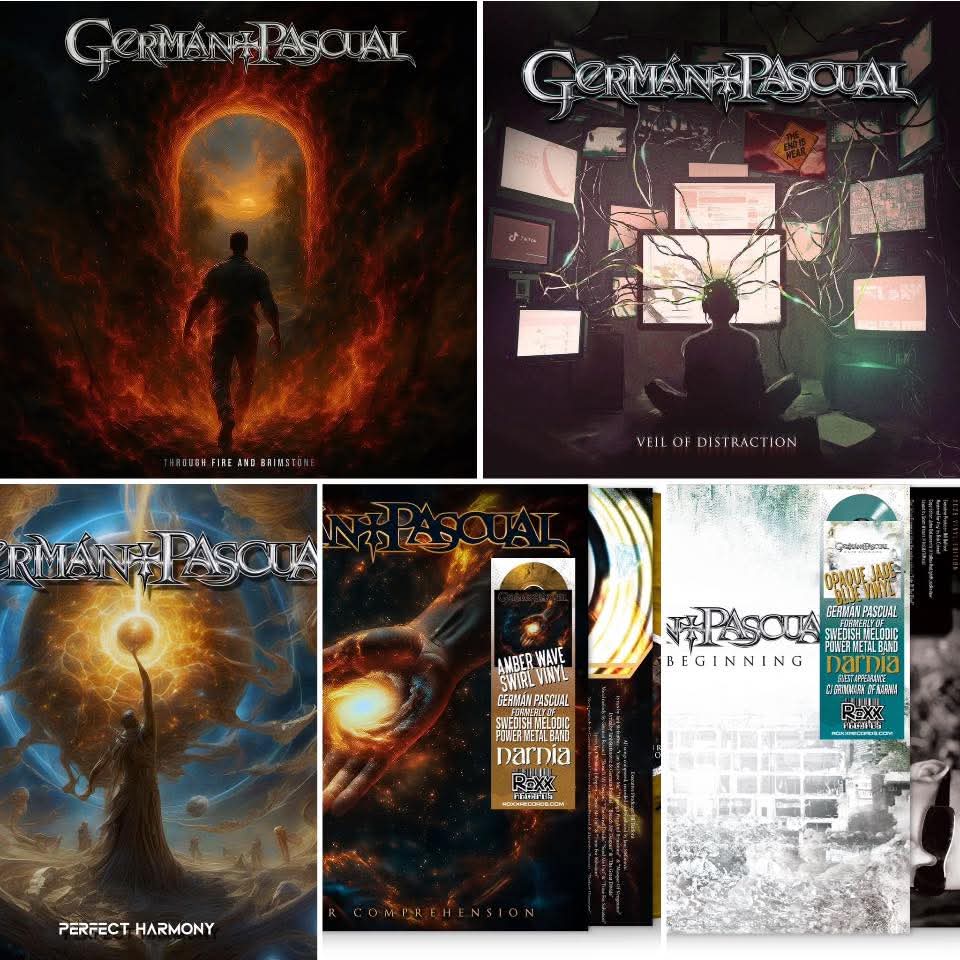
Simplicity and warmth are what define German Pascual as a person. Always cheerful, it is an honor for us to feature him on our website.
Beyond his work with Narnia, Heartwind, Essence Of Sorrow, etc., his two solo albums, “A New Beginning” and “Beyond Our Comprehensions,” are essential for understanding the musical richness of German Pascual. Obviously, the Bethesda project alongside Torbjörn and Thomas Weinesjö, formerly of Veni Domine, is an excellent work that strays a bit from the norms of contemporary metal and rock, presenting a project centered on the old-school style of the ’70s. And that’s not all. Soon, German will release a fully acoustic album titled “Away From The Noise,” perhaps delving deeper into the acoustic vein already demonstrated in the cover of “Honestly,” a version of which can be found on the compilation album “40th Anniversary: To Hell With The Devil,” a tribute to Stryper….
Here are some highlights of Germán’s latest work as a solo artist and with Bethesda, and of course, we’ve included his social media links so you can follow him and stay updated on his latest news….
https://www.facebook.com/germanpascualofficial
https://www.instagram.com/germanpascualofficial

Hello, yes this article is genuinely fastidious and I have learned lot of things from
it regarding blogging. thanks.