Saviour Machine: Saviour Machine | When Metal Became Art And Prophecy
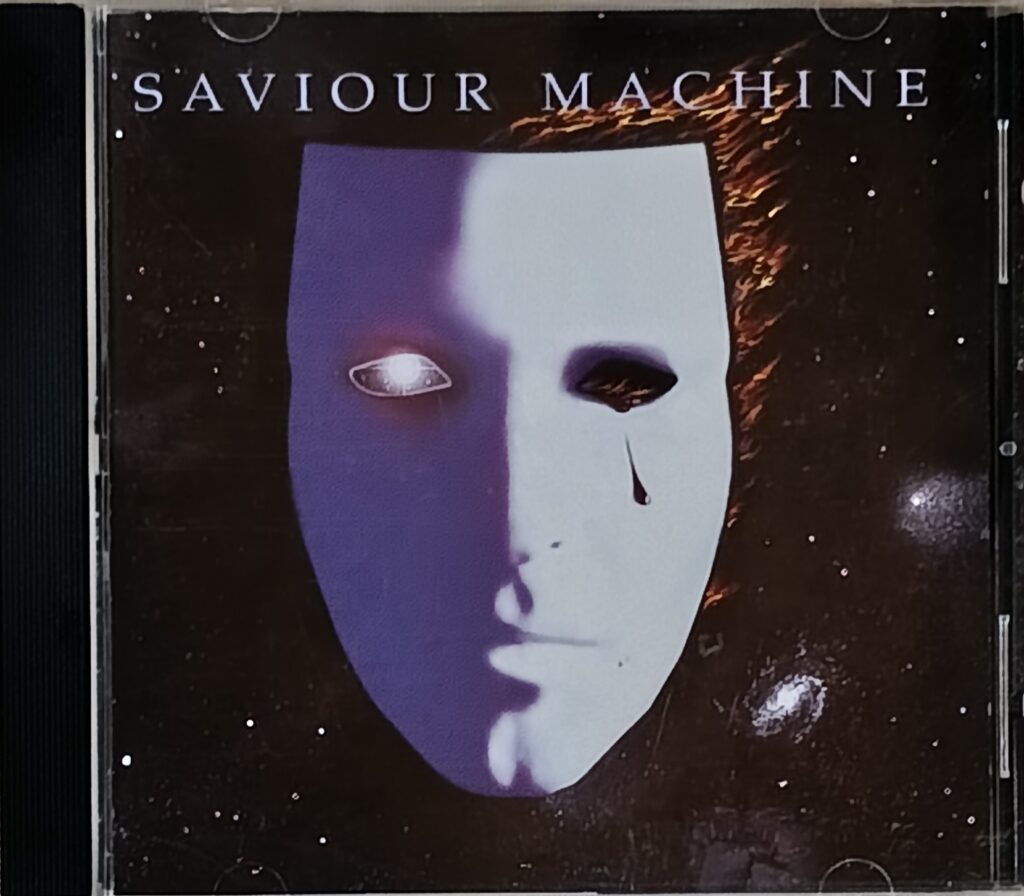
(1993/96 – MCM Music/Massacre Records)
If there’s one band that shattered all the stereotypes of White Metal—or Metal with Christian themes—it’s surely Saviour Machine. Or at the very least, they’re the ones who took that concept—so closely tied to a lack of prejudice and a critique of the status quo—the furthest, with lyrics unlike anything I’ve ever heard before and an incredible lyrical range.
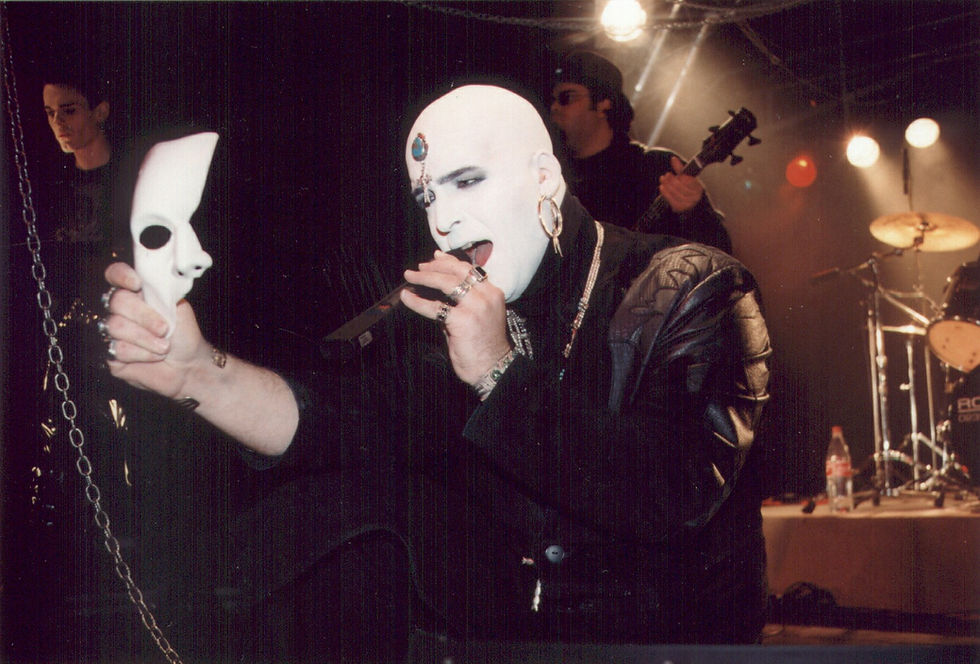
It’s hard to imagine that those of us who have followed the White Metal scene for years weren’t struck—and made a fuss—from the very beginning by Saviour Machine’s image and aesthetic, which were a far cry from what one would expect from a band with such a message. I’d be lying if I didn’t say that at first it struck me as somewhat strange and prompted the obvious question: “Are these guys Christians?” To top it all off, the lyrics had a special, distinctive flair that differed substantially from the clichés of the Christian Metal scene at that time.
This is how Saviour Machine tackled, from the very beginning, themes related to the apocalyptic, the demonic, salvation, and judgment, while also offering a certain social critique—all within a theatrical, quasi-operatic atmosphere, with lyrical grandeur of monumental proportions.
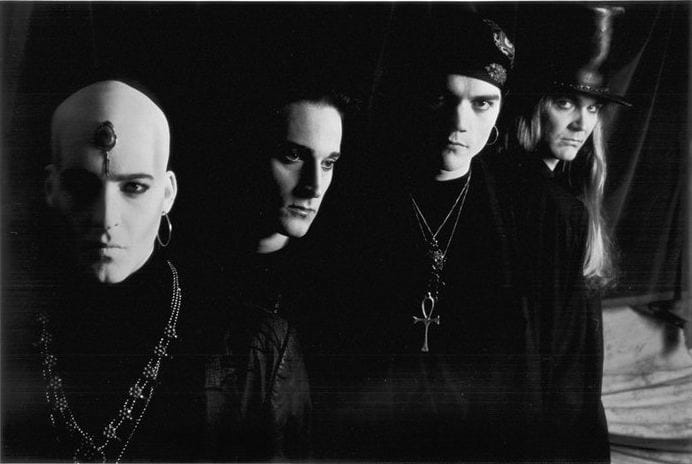
But there’s also the musical aspect, which took us on a journey through a style that hadn’t been overly explored in those years—hence its originality—a style that could well be labeled Gothic Metal, a signature sound that Saviour Machine would eventually take much further.
The grandiloquent, majestic, orchestral, and—in a certain sense—operatic qualities are some of the characteristics that Saviour Machine explored and brought to their fullest expression, with the album “Legend” as their most evident manifestation. In any case, it is their first official album that we perhaps remember most—the one that made the biggest impact—and the one that, even today, deserves a full listen, which is exactly what we set out to do.
But before this controversial debut album, Saviour Machine has a history behind it. The band traces its origins to the late ’80s, having taken its name from David Bowie’s famous song “The Man Who Sold the World”. Over time, they released a well-known demo and signed with a Christian label to release this first album—the very album we’re looking at here, which caused quite a stir at the time. The reasons were obvious: the band’s aesthetic image—and particularly that of its leader and vocalist, Eric Clayton—combined with the dark lyrics and a way of presenting a Christian message that many felt was inappropriate, did not go over well at all. This led to serious difficulties in the “Christian music market”, given the opposition many felt toward the band’s distinctive style.
Saviour Machine’s distinctive style began precisely with this debut album, simply titled “Saviour Machine”, which was not only controversial but also, in a way, marked a new beginning—one that, as we’ve seen, proved difficult for the band from the very start.
Saviour Machine gradually shaped their musical style by blending elements of gothic music, Pink Floyd, Bowie, and all the progressive rock of the ’70s. In fact, this debut album was perhaps the closest to structures that have much more in common with Metal than the rest of their discography, since over time—and especially starting with “Legend”—their sound would become much more operatic and theatrical than in their early days.
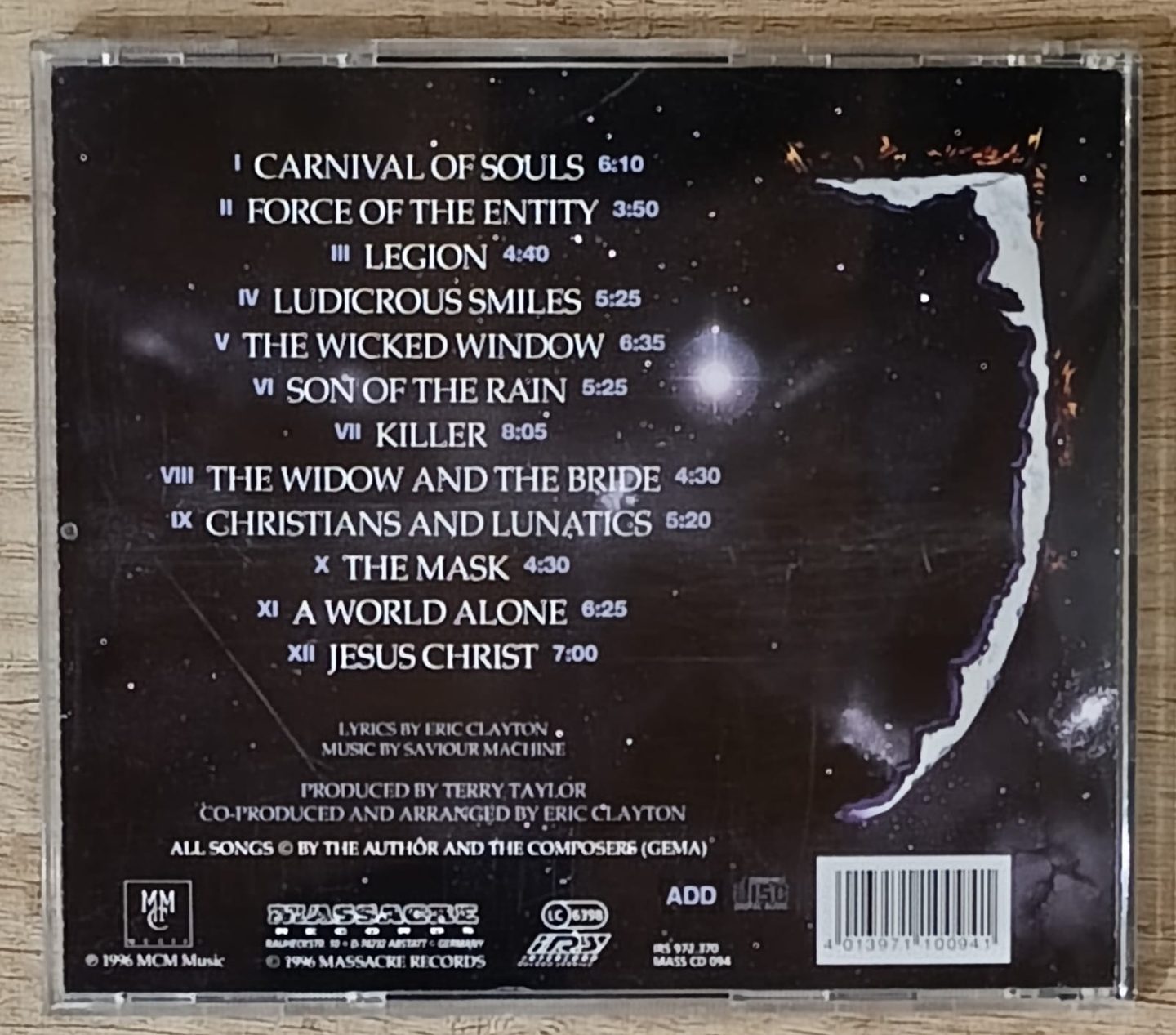
Saviour Machine’s debut album is nearly flawless, seamless, with a well-defined concept from the very start and a dark, oppressive, and almost apocalyptic atmosphere, which is combined with a unique approach to presenting a Christian message. The opening track, “Carnival Of Souls”, is a prime example of this. A song with gothic/epic undertones that makes an impact right from the very start, showcasing that unique blend of Metal, Gothic, Progressive and Symphonic elements. A true work of art right from the get-go.
“Force Of The Entity” leans much more toward Metal, with a strong emphasis on riffs and a structure built around the guitar sound, while “Legion” stands out as one of the album’s highlights with an orchestral and operatic aesthetic that’s truly beautiful. That track was the focus of criticism due to its lyrics, which some found controversial for their demonic imagery, although clearly that isn’t the core of the message. Anyway…
The truth is that Saviour Machine never stopped, despite the opposition and criticism from those who never understand anything and jump to conclusions all the time.
“Ludicrous Smiles” is next, moving along at a moderate but steady pace and showcasing various elements amid the interesting riffs and rhythms that shape the track; and as part of the same sequence, “The Wicked Window” follows, much denser and darker, almost like a kind of prayer, accompanied by an endless cascade of riffs and thick sounds, ending with a tremendous, fast-paced climax that’s quite close to traditional Heavy Metal.
And with a vibe quite reminiscent of Maiden, this unique piano ballad titled “Son Of The Killer” begins, featuring plenty of orchestral and classical elements, resulting in a heartfelt song—one of the many vocal showcases by Eric Clayton, who seems to embody each song as if he were living it.
And we arrive at one of Saviour Machine’s greatest works—and indeed one of the pinnacles of their creativity and genius—clearly exemplified in this high-caliber piece titled “Killer.” It blends a Metal and progressive foundation with Saviour Machine’s operatic and theatrical aesthetic, even evoking a certain Terminator-esque vibe in the solos that accompany its progression. The ending is cinematic and truly climactic, with “Carmina Burana” even playing in the background. A true work of art.
Things pick up speed and intensity with “The Widow And The Bride”, one of the most aggressive and violent moments Saviour Machine delivers on this album—and arguably their side closest to Traditional Metal—but that’s not all, because with “Christians And Lunatics” they also venture into something more classic, while still staying within the Metal genre.
“The Mask” is a whole different story. It features impeccable guitar arrangements and a mid-tempo pace; while it may not be the best track on the album, it still delivers. But there’s more—and that “more” comes in the form of “A World Alone”, a dark, epic, and masterful piece no matter how you look at it.
In any case, the album’s closing track, “Jesus Christ”, is nothing short of impressive and a beautiful way to wrap up this debut album by Saviour Machine. It’s a work that would set the tone for everything that would follow.
Orchestral, theatrical, and packed with Metal, this debut made a real impact—not only because of the originality of the concept but also thanks to the great, excellent compositions that make up the album.
The album itself is among the best the band has produced in its entire career. This is partly because many of the songs included here were developed from the very beginning of the band’s existence, and the production truly prioritized the artistic vision and delved deeply into Saviour Machine’s monumental concept—a result that sparked controversy among those who never understood it, but which, over time, has come to be recognized as one of the finest works within the White Metal scene.
Everything seems to be in perfect order and meticulously crafted—the timing, moods, atmospheres, moments, and so on. Saviour Machine’s debut album is a collection of flawless songs, performed in the best possible way and interwoven in such a way that it thrills the listener from start to finish.
The sound of Saviour Machine’s debut album is somewhat flat, but rich enough not to go unnoticed. Keyboards play a significant role in the band’s sound, and the foundation—with the bass and the various guitar riffs, melodies, and harmonies—gives both the album and the band their own distinctive character.
In that sense, the recording, production, and mixing are truly excellent and allow you to hear the full, powerful sound of Saviour Machine in a spectacular way—keeping in mind that there are no orchestral elements or instruments beyond the keyboards, bass, guitar, and percussion. It all stems from the band’s ingenuity in making the album sound as if it were an orchestral piece.
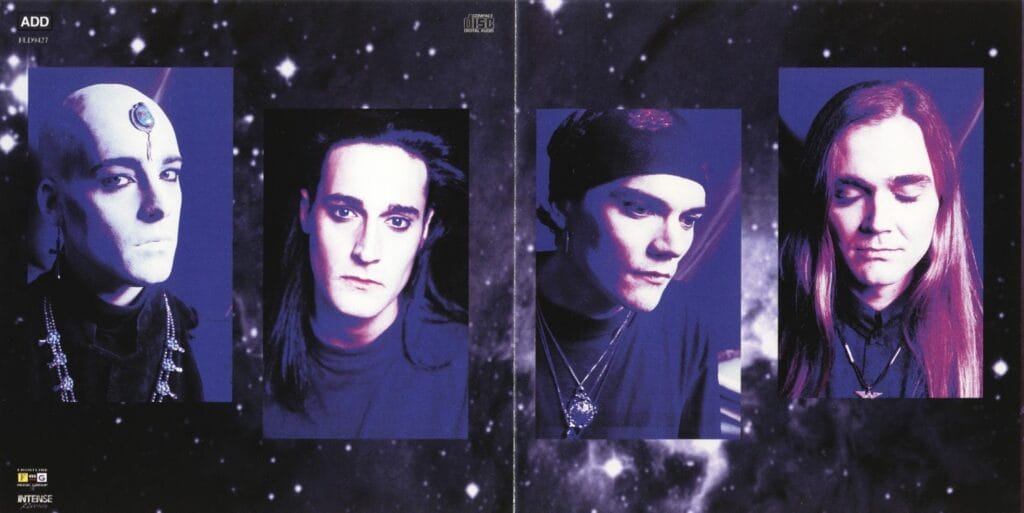
The artwork is, as expected, original and highly distinctive, with a cover that sparks curiosity and intrigue. The booklet that comes with this CD edition naturally features the lyrics along with photographs of the band members. Nothing particularly extraordinary, but you could say it’s of good quality.
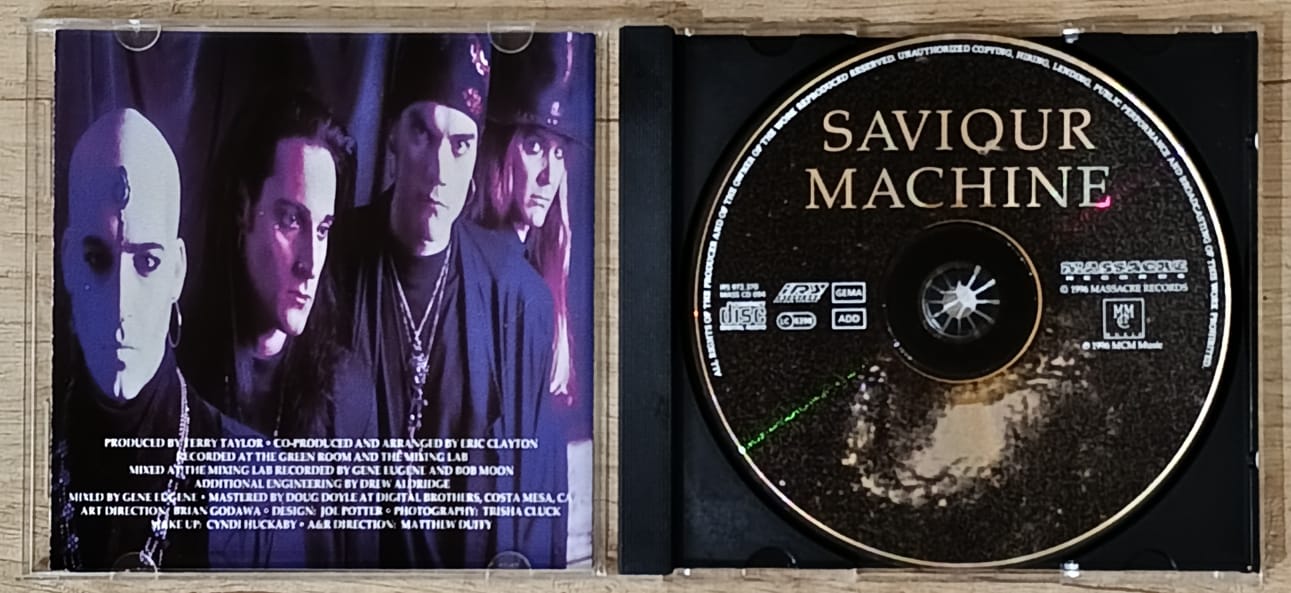
The edition we own—and the one we used to listen to the album in its entirety once again—is the 1996 European version. Although Saviour Machine’s debut album was released in the United States in 1993, due to the controversies mentioned earlier, it was pulled from Christian record stores. However, in 1996, Massacre Records reissued this material in Europe with minimal changes—the same cover art and track listing—which allowed them to expand their audience in Europe, where the album was much better received.
“Saviour Machine” was released on CD, but there are also older cassette editions and even a vinyl release from 2014; however, to date, it has not received a complete reissue like many albums from that era. Finding a copy of the album is quite a challenge, and it’s only available secondhand, so to speak. A deluxe reissue would truly be both expected and desirable in the future.
Perhaps the miniseries released by Eric Clayton, which tells the band’s complete story, will be the starting point for that—and a catalyst for a future reissue, as many are hoping. A classic album like this debut by Saviour Machine deserves it….
Saviour Machine’s debut album made a splash—enough to stir up plenty of prejudice and criticism. Behind all the controversy, what we have is a superlative, tremendous, exquisite album with a lyrical and musical depth we’d never seen before. Saviour Machine made a tremendous impact and served as a source of inspiration for many projects and bands that followed.
Returning to Saviour Machine’s first album is the very essence of darkness and melancholy, with a Christian message—yes—but from a different angle, and with a critique that was unprecedented at the time. Everything fits together perfectly, and “Saviour Machine” is the cornerstone upon which the band laid the foundation for a different story.
Apparently, there are no promotional music videos for this album, but at least we have the live footage that would appear on the 1995 album “Live In Deutschland”, and from that, we present this masterful performance of “Killer,” one of the most iconic tracks on the album and by Saviour Machine…