A New Project Emerges From Argentina | Disasterphonia Challenges Sound… And The Soul
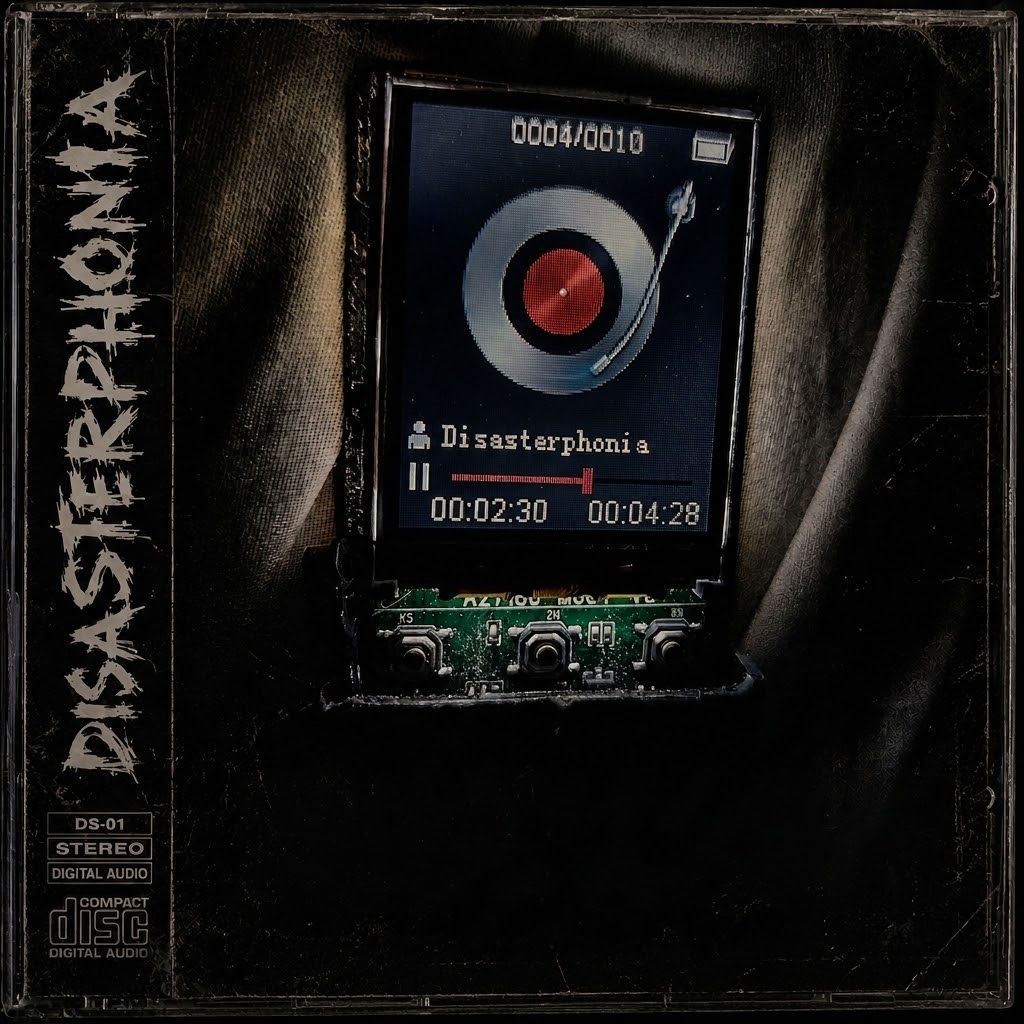
Ceb Theory is a familiar figure in these circles. We first got to know him through his project called Diaconisa, which we could describe as his more progressive, ambient, and dark side, but the guy also has a darker, more technical side with a Groove Metal/Industrial bent, which is reflected in his new project—entirely different from what we heard with Diaconisa—titled, appropriately, Disasterphonia.
What are we talking about when we talk about Disasterphonia? The answer begins to emerge when we listen to his first album, the self-titled “Disasterphonia,” which has just been released exclusively in digital format. There’s a little bit of everything here: traces of Metalcore, Industrial, Nu Metal, Thrash, Groove, and the classic Eastern influences in many of the chords and harmonies of each song Disasterphonia tackles on this album. The common labels would be Groove Metal, Post-Grunge, and Metal Fusion, but the truth is that here, there’s a little bit of everything.
The sound is a combination of all the aforementioned genres—and even more. The entire album is both an invitation and a true challenge to uncover the hidden gems tucked away in every corner of this work, and you certainly won’t be disappointed. Each song has its own unique hook and specific, well-crafted moments, all within an overall balance that carries Disasterphonia from start to finish.
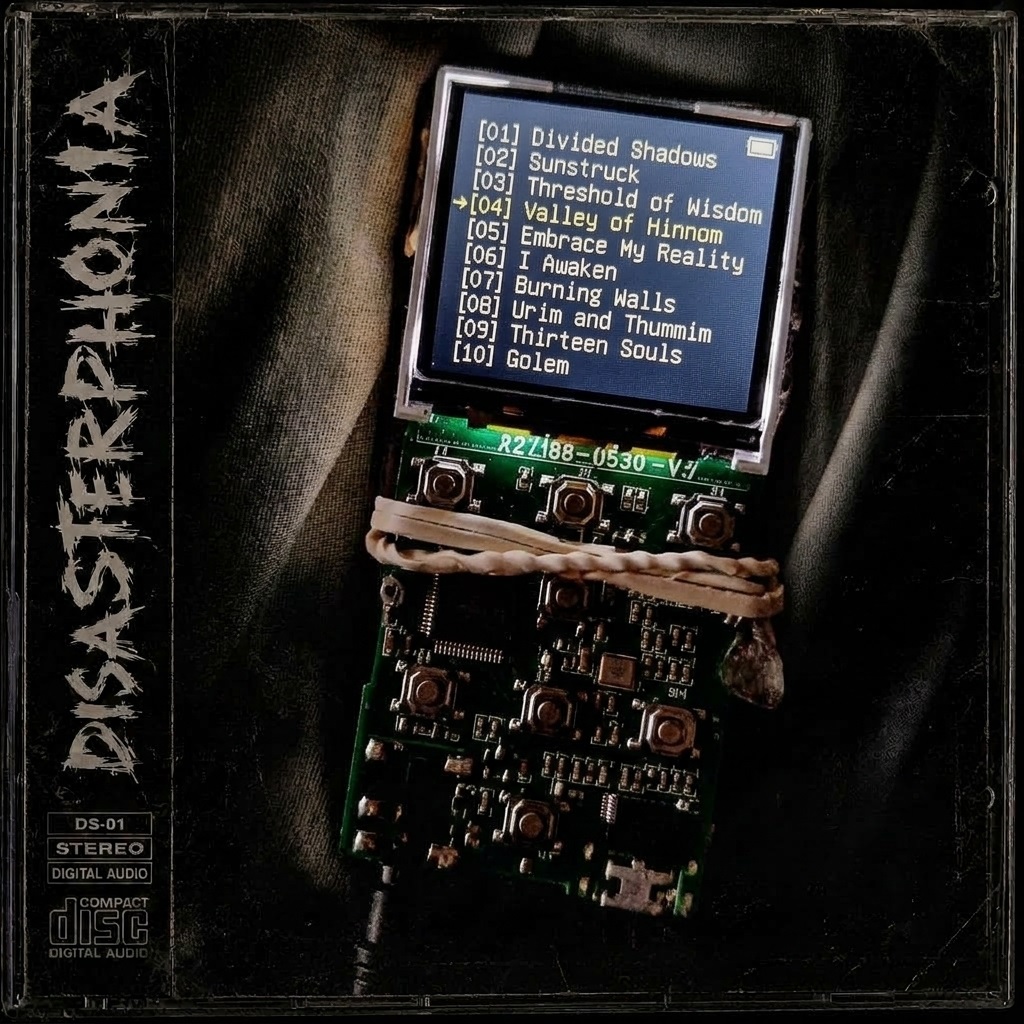
The album explores a wide variety of lyrical themes, ranging from introspection and psychology to philosophy and Judeo-Christian thought. Songs like “Suntruck” and “Burning Walls” address personal and existential conflicts, exploring self-deception, defense mechanisms, and the difficulty of facing one’s own reality. Meanwhile, the instrumental “Urim and Thummim”, along with “Thirteen Souls” and “Valley of Hinnom”, draws inspiration from biblical narratives and Old Testament traditions.
Other tracks, such as “Divided Shadow”, “Golem”, and “Embraced My Reality”, explore the fragmentation of identity, alienation, and the ways in which individuals and groups construct their own perception of reality, while also addressing ideological fanaticism and collective manipulation. Finally, “I Awaken” and “Threshold of Wisdom” delve into existential and metaphysical questions, ranging from the fear of death and uncertainty in the face of the divine to the search for wisdom and the limits of human knowledge.
Musically, as we mentioned, each track follows its own rhythm and features different moods and moments. The interpretation of each theme is accompanied by a sound production that truly reinforces every thought, every idea, every phrase. It’s truly not to be missed.
This debut album by Disasterphonia is rich in diverse musical ideas, always staying true to the metal genre in its various forms, with concepts that enrich the project to such an extent that listening to it from start to finish isn’t just a recommendation—it’s almost an obligation, one might say.
One of the most striking aspects of Disasterphonia is that the songs are performed in English, but Ceb Theory himself explains: “The idea of doing a project in English has been around for a few years, based on a recommendation I received while I was working on ‘Corona de Espinas’ for Diaconisa”, he said… “Most of the singers working on their projects at that time were singing in English, even going so far as to say that it had been a long time since they’d sung anything in Spanish. Later, with “Ein Sof” (by Diaconisa), people who had heard it also suggested I do it in English.”
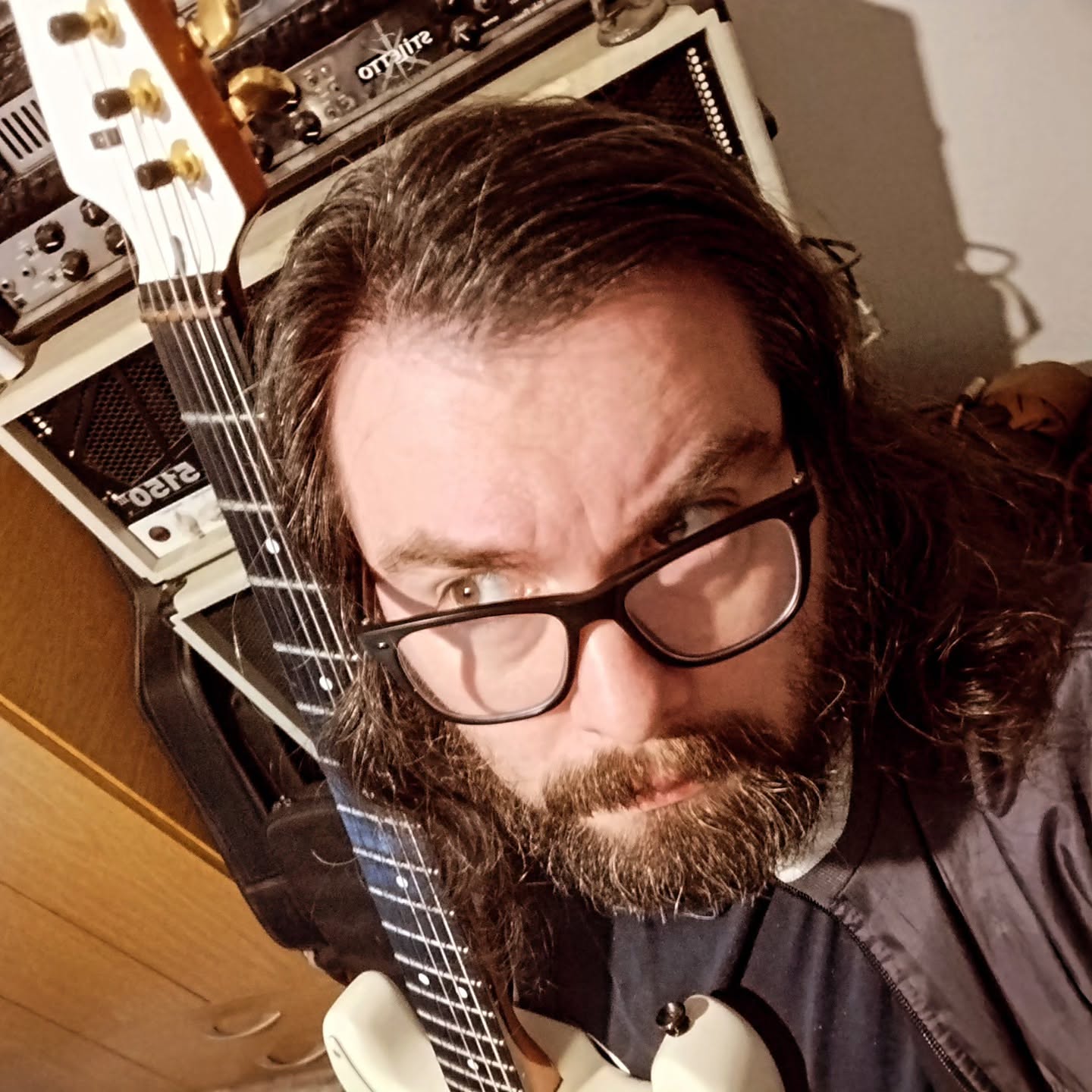
But then, delving deeper into the same idea and drawing a distinction between Disasterphonia and Diaconisa, Ceb Theory states that “I preferred to leave Diaconisa in its original format (concept albums in Spanish) and experiment with something more ‘free’ in that sense with this new project; talking with Fede (Vogliolo) also encouraged the idea that this project be in English.”
Disasterphonia’s self-titled album consists of 10 high-quality tracks with a versatility that represents something entirely different from what Ceb Theory previously showed us with Diaconisa—not only musically, but also because the decision to use English exclusively in all the compositions gives the project greater flexibility and, naturally, opens the doors to all those who don’t speak our language, and indeed, one of Disasterphonia’s greatest strengths lies in its lyrics—mostly contemplative and philosophical—which take you into uncharted territory.
For this project, Ceb Theory handled the guitars, bass, and overall concept, but he is joined by artists such as Federico Vogliolo (Lex Talion) on vocals and lyrics, Julia Sergent (Acroma) on vocals and lyrics for “I Awaken”, Jorge Ostos “Sanctum” (Onirico) on keyboards for “Urim And Thummim”, and Max Backing Track on drums, except for “Thirteen Souls” and “Golem.”
Disasterphonia’s self-titled album is available digitally, so we’ve included the link below so you can listen to it in its entirety—and, why not, share your thoughts on this new project that the band has created with so much effort and creativity.
https://www.facebook.com/cebtheory
https://cebtheory.itch.io/disasterphonia