'%3E%3Cg%20id='d'%3E%3Cg%20id='c'%3E%3Cg%20id='b'%3E%3Cpath%20id='a'%20stroke-width='1.3'%20d='m1%202%2034%2074%202%201v-2L9-2M8%2027c0%2011%207%2018%206%2028s5%2016%206%2020v7c1%201%204-3%203-8-1-6-5-7-4-20%201-12-5-15-4-26'/%3E%3Cuse%20href='%23a'%20transform='rotate(23)'/%3E%3C/g%3E%3Cuse%20href='%23b'%20transform='rotate(45)'/%3E%3C/g%3E%3Cuse%20href='%23c'%20transform='rotate(90)'/%3E%3C/g%3E%3Cuse%20href='%23d'%20transform='rotate(180)'/%3E%3Ccircle%20r='34'%20stroke-width='2'/%3E%3C/g%3E%3C/svg%3E)


Interview With Gito Minore | “Reading A Paper Book Remains An Irreplaceable Sensory Experience”
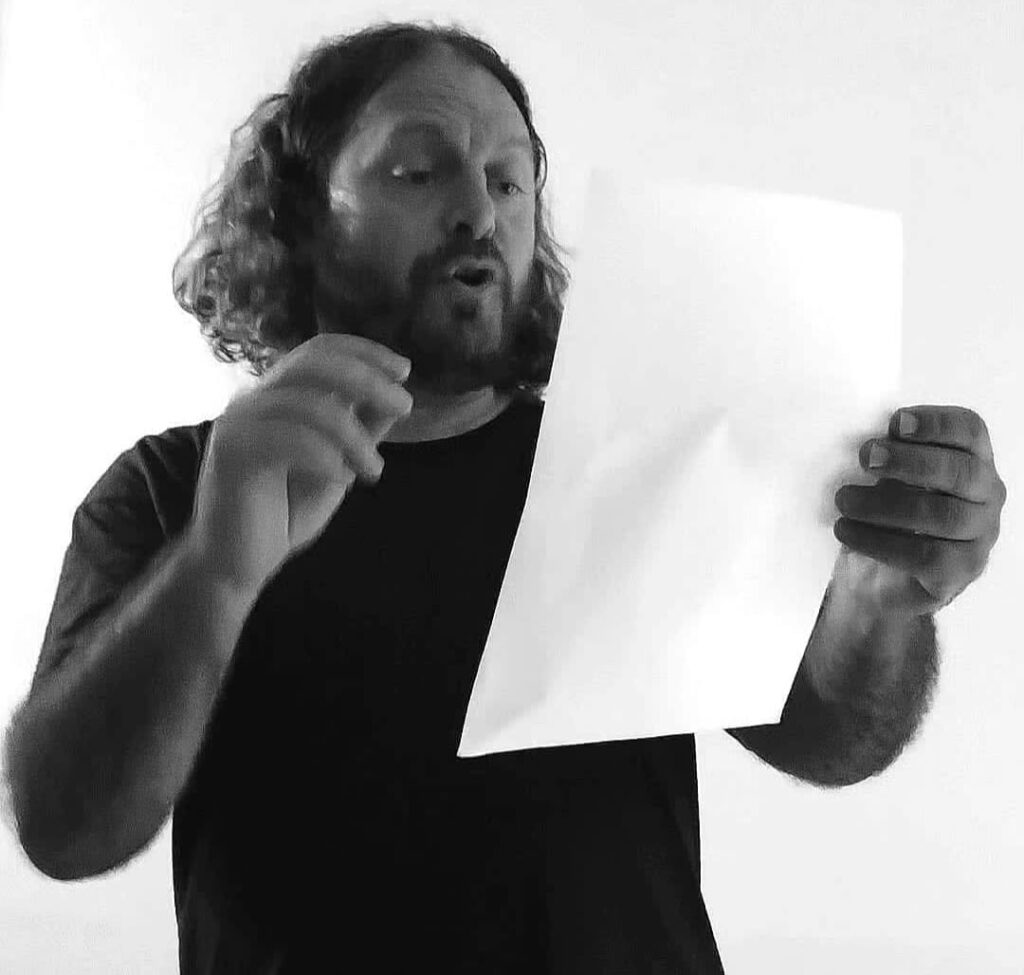
Gito Minore is a well-known Argentine writer, editor, and thinker. He has a long career in poetry, fiction, and literature. A graduate of the University of Buenos Aires, he has been awarded the National Arts Fund’s Literature Fellowship for his research on social children’s literature in Latin America and has published numerous literary works, including “Minímamente”, “El Día Que Mi Padre Lloró”, “Un Vampiro A Dieta”, “Queriendo Ser”, and others. He has been invited to participate in various book fairs and literary events, both in Argentina and in Ecuador, Paraguay, Guatemala, and Cuba. His book “Minímamente” was translated and published in Italy by the publisher Edizioni Il Papavero. For several years now, he has been organizing the “Feria Del Libro Heavy” alongside María Inés Martinez in various cities across Argentina, and he also runs the Clara Beter publishing house. But above all else, Gito is a brother in the Heavy Metal community with whom we share a passion for metal, and we thought it would be a good opportunity to ask him a few questions—and here’s what he told us…
Tell us, how did you get into literature and become a poet and storyteller yourself?
“When I was very young, I wrote my first short stories. It was part of my play, but also part of my interests. I’d invent characters, come up with a story for them, and put together a little magazine by folding several sheets of paper in half. Beyond my schoolbooks and the occasional little booklet with religious texts that my grandmother had, I didn’t read much else. There was no library at home. Still, I’d buy Patoruzú magazines, and later rock and metal magazines, at secondhand shops in Liniers and Mataderos. It wasn’t until I was 17 that I discovered a library in my neighborhood. That’s where my formal reading of poetry began. I read Sappho, Villon, Machado, García Lorca, Guillén, and Almafuerte. All in a haphazard way, but with great joy.”
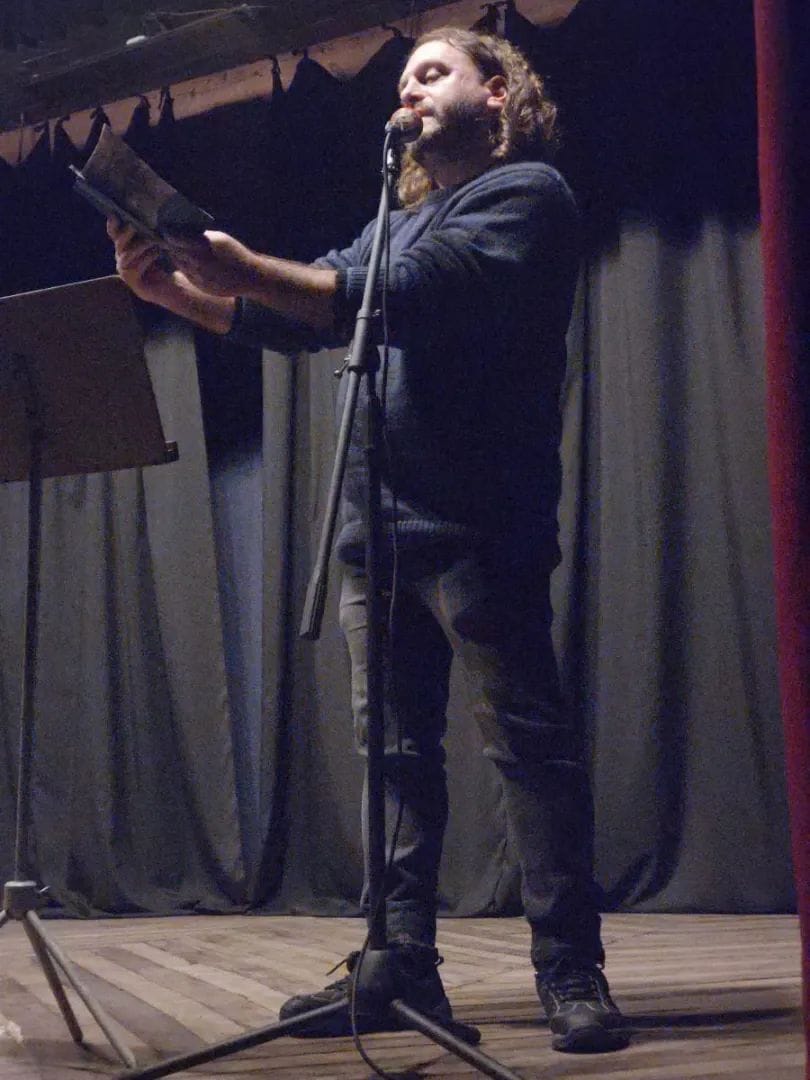
Similarly, how did heavy metal come into your life, and how did it influence your career?
“At about the same age. I’d been listening to Soda Stereo since I was 11, and I went to see them live several times. Then, at 16, while I was learning to play guitar, I started exploring other musical styles. That’s when I discovered Deep Purple, Black Sabbath, and Yngwie Malmsteen. My friends—with whom I formed my first bands—also listened to Iron Maiden, Hermética, and many others. At Heavy Rock ‘n Pop, something new was playing every day, and it would get added to my list of favorite artists. The influence on my career had more to do with the lyrics of the songs I wrote. Later, I turned to poetry and fiction.”
Is it difficult to connect poetry and fiction with metal? How did you manage to combine them with heavy metal?
“No, not at all. It happened very naturally. I used to write song lyrics. Many of them were either too long or too short, so they didn’t fit the musical format; I ended up collecting them in various notebooks, which later came together as a book of poems.”
Did you have any experience writing for independent media in the Metal scene?
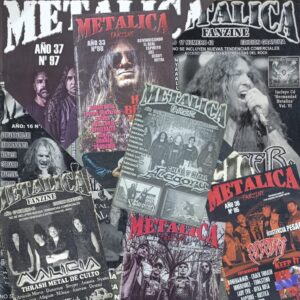
“Yes. Starting in 1995, I began publishing in various magazines, and together with a colleague, we put out a fanzine that mixed humor, poetry, and Heavy Metal.”
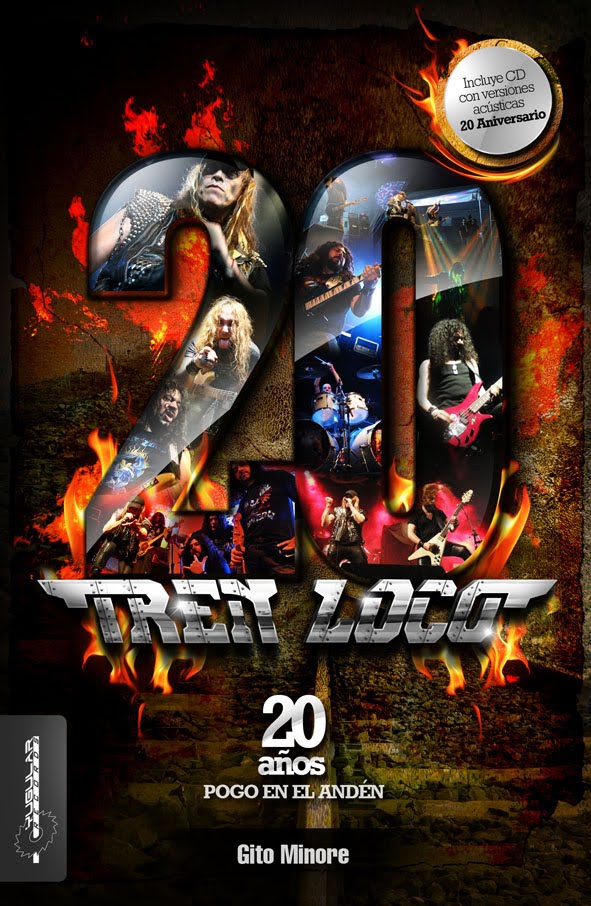
You recently published the book “Tren Loco – 20 años. Pogo En El Andén”. How did the opportunity to write about a legendary band like Tren Loco come about, and how did it feel to revisit the memory of Gustavo Zavala?
“The book “Pogo en el andén” was published in 2010 to celebrate Tren Loco’s 20th anniversary. Throughout the entire process, I worked side by side with Gustavo, which gave me the unique experience of going through the whole adventure together. From the initial idea for the book (something we’d had in mind for several years), to the interviews, proofreading, and editing—everything. It was an independently published book; we released 1,000 copies for the first edition and had to print another thousand the following year.”
How did the Heavy Metal Book Fair come about, and what is its purpose? Are there plans for a new edition this year?
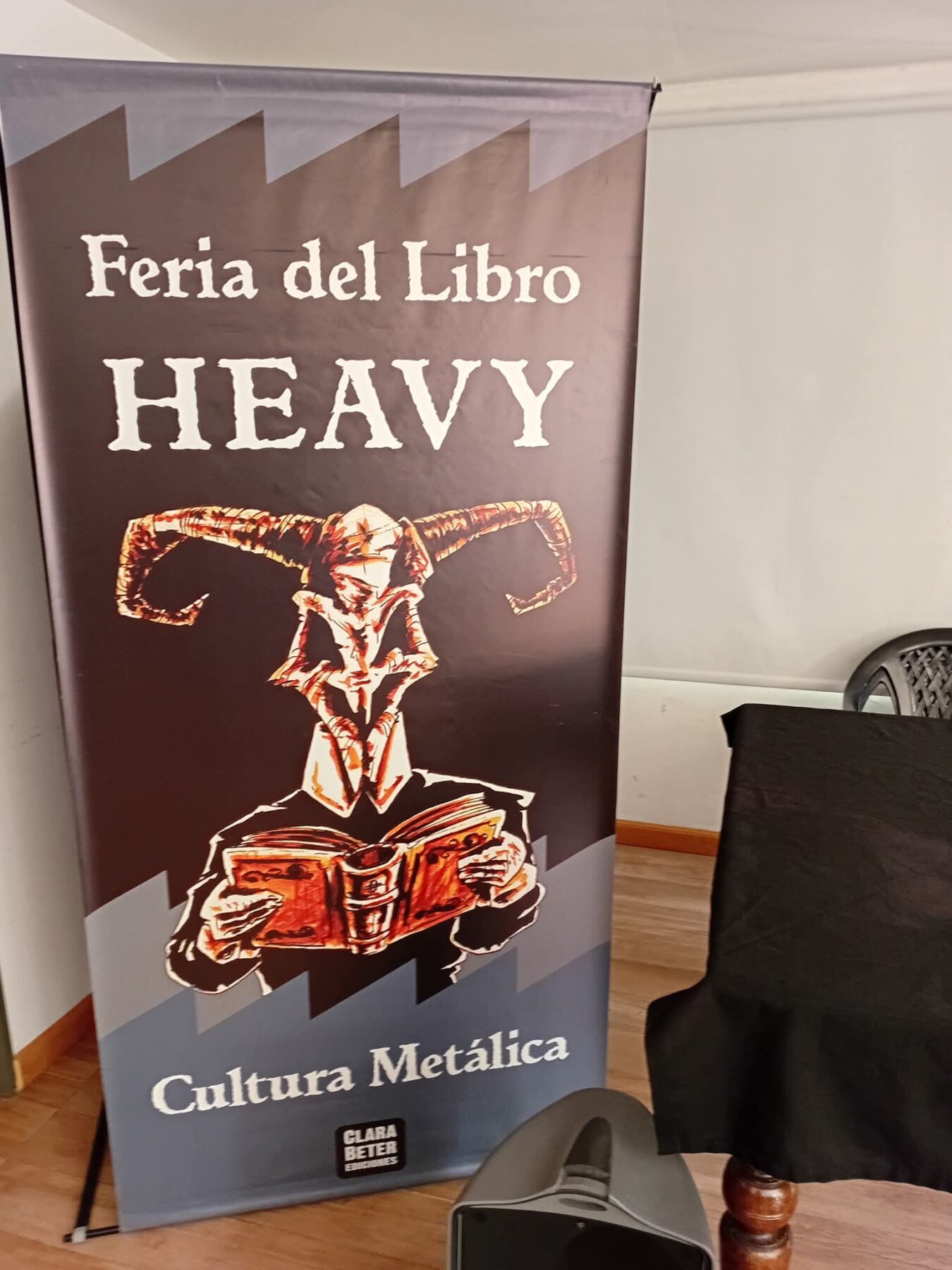
“The idea came to us in 2013 together with María Inés Martínez. We wanted to organize a gathering—a roundtable discussion of sorts—focused on metal books, and it gradually expanded. We held the first fair at a cultural space we were running at the time called ‘La Imaginería.’ But it soon began to grow and expand, and we started holding it in different cities: Mar del Plata, Tandil, Rosario, Neuquén. We just wrapped up the 7th edition in Mar del Plata (June 6 at Nevermind), and we’re already preparing for the 13th edition in Buenos Aires, which will take place in October.”
Have you ever written a song for a band, or has any of your writing been used for a particular track?
“Yes. Between 1994 and 1998, I was part of a band called Perséfone. I wrote the songs for that band. Then, in 2000, I recorded an adaptation of my book “Fuego en el pecho” with Gustavo Zavala. It was released on cassette in 2001 and on CD in 2002. Many years later, in 2018, we got back together to record—this time with guitarist Adrián Subotovsky—a collection of poems set to tango and metal music called “El momento justo”.
You also run a publishing house, right? Tell us a little about that initiative….
“Yes, together with my partner María Inés Martínez, we’ve been running the Clara Beter Ediciones imprint since 2012. We have a diverse catalog with different collections (poetry, fiction, essays, children’s and young adult literature) in which we’ve published nearly 200 titles.”
We live in an age where reading a text seems like a pipe dream, where everything revolves around the immediate and new forms of communication. What are your thoughts on all this?
“It’s true. These days, many people don’t read books and prefer the information and entertainment that electronic devices can provide, but not everyone. There are many of us who, beyond the novelty and benefits that these kinds of changes may bring, still prefer physical formats. For me, reading a paper book remains an irreplaceable sensory experience.”
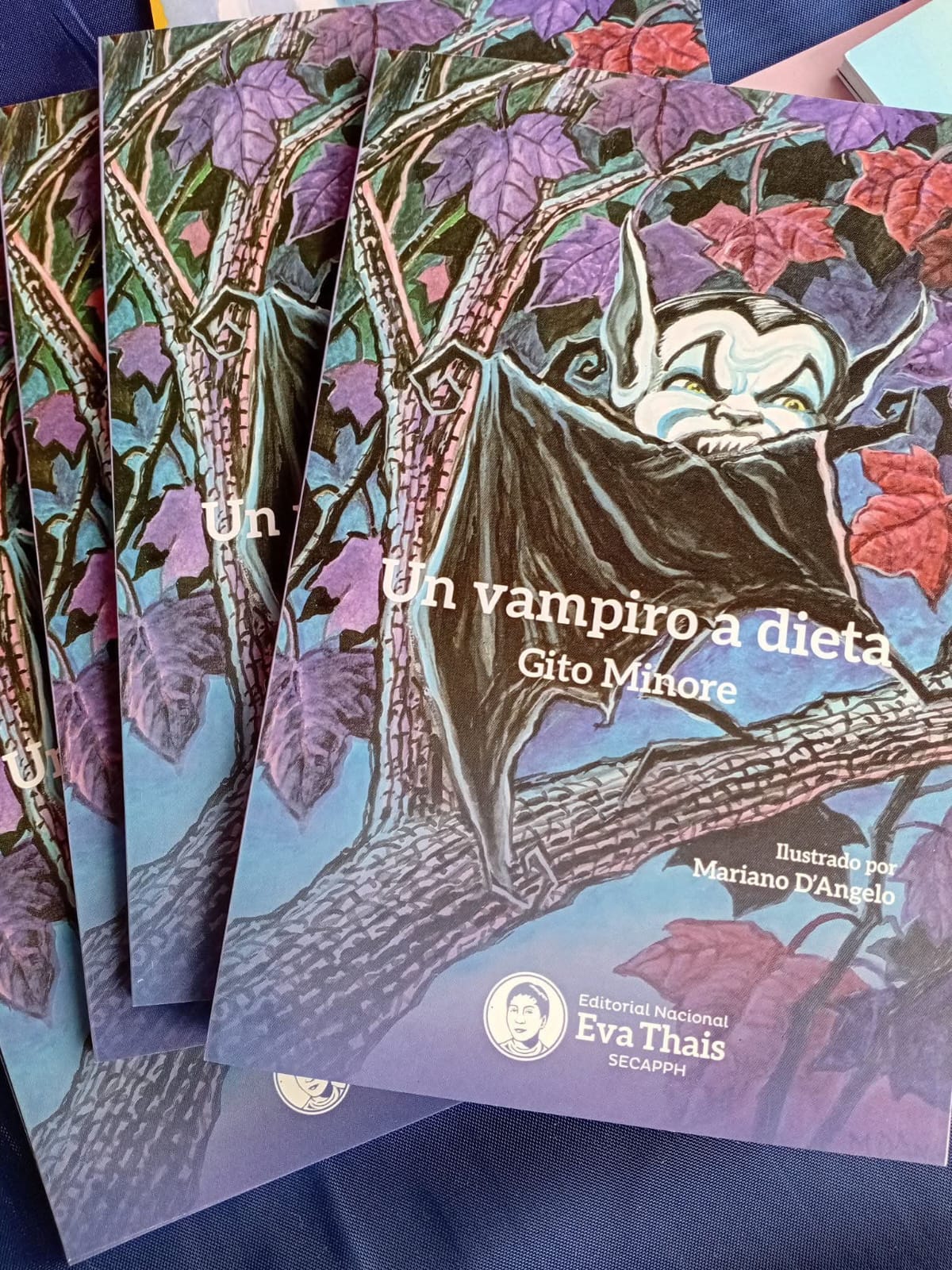
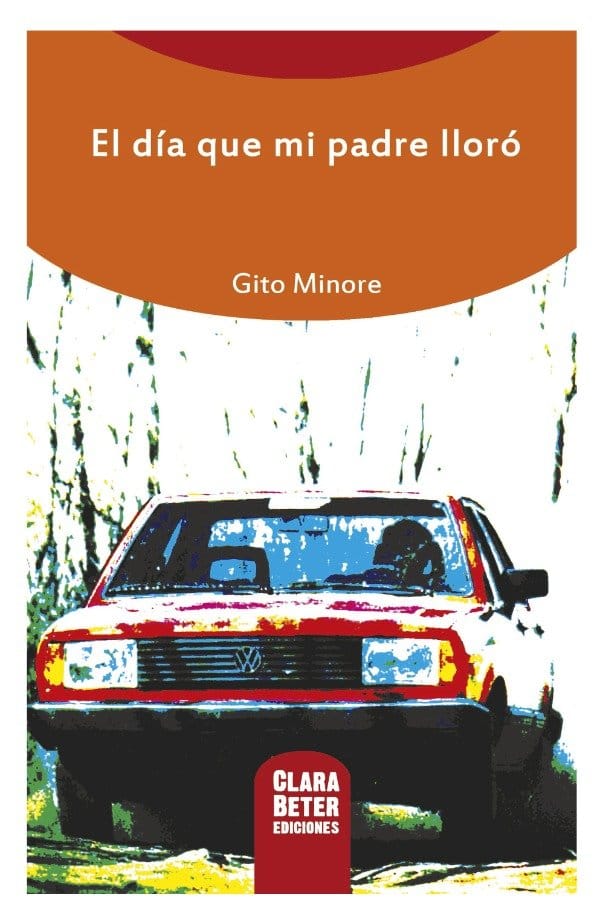
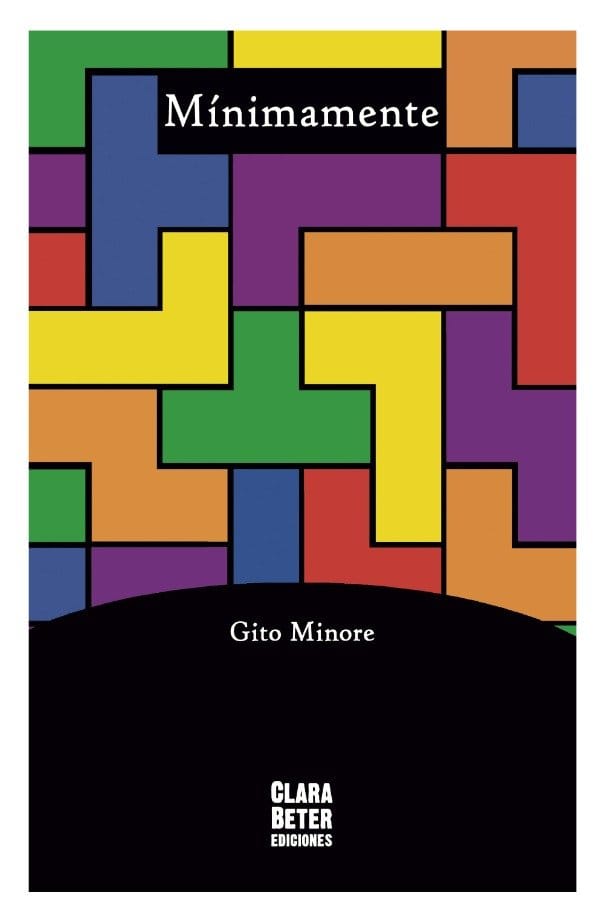
Which metal bands or songwriters do you think are the best in terms of narrative in their lyrics? Or which ones have resonated with you the most?
“There are many, both here and around the world. Even though new bands and songwriters emerge every year, I still listen to and admire the ones who shaped my tastes: Dave Mustaine, Steve Harris, Ricardo Iorio, Gustavo Zavala, Beto Zamarbide, and a few others.”
God is a central figure in the narrative of metal—as much for non-believers as for believers. What are your thoughts on the idea of God, setting aside the religious concept?
“Well, for me, the divine presence is universal. I believe in God and seek contact and communication with His power at every moment. Obviously, He influences the narrative of those who invoke Him. It’s a shame to live without God.”
Thank you for your time. As a final question, we’d like you to share a thought on what it means to be a Heavy Metal fan these days and what that entails….
“I’m the one who’s grateful. Being a Heavy Metal fan goes beyond just listening to this wonderful music. It’s about living a life consistent with who you are, where your feelings, thoughts, and actions go hand in hand.”
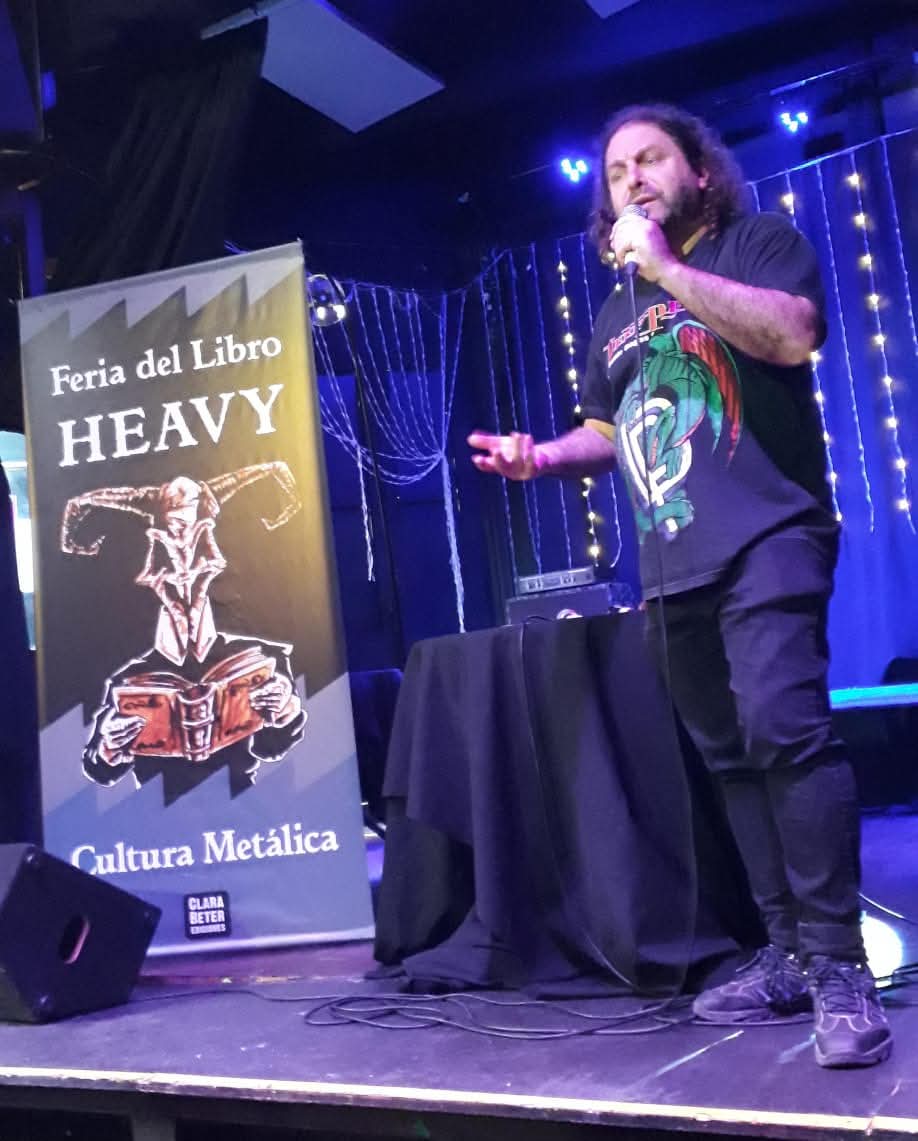
To delve deeper into Gito Minore’s work and stay up to date on the various editions of the “Heavy Metal Book Fair,” we’ve included his social media links below so you can stay informed about the latest news and dates…
https://www.clarabeterediciones.com.ar
https://www.facebook.com/clarabeterediciones
https://www.instagram.com/clarabeterediciones
Teste