Interview with Jorge Ostos from Onírico | “One Of The Things I Like Most About Metal Is Its Rhythmic Creativity”
(By Eric “Core” Balbi)
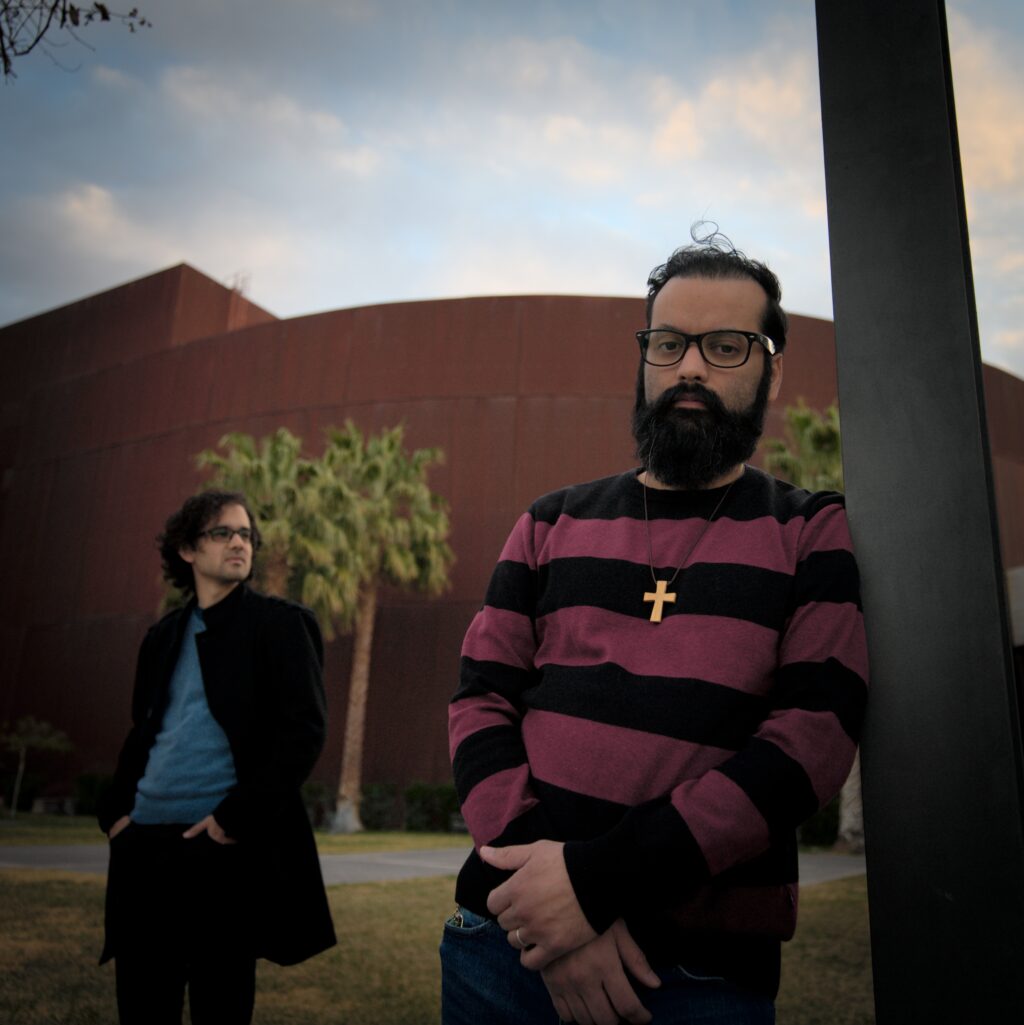
At this point, it is well known that this webzine is dedicated purely and exclusively to Metal, and we don’t usually stray too far from our core focus, except in cases such as the one discussed in this article. Onírico is a band focused on so-called progressive rock, hailing from the beautiful province of San Juan, Argentina, with the characteristic that rather than a band, it is a duo featuring Jorge Ostos and Benjamin Hernandez.
Under the record label “Mylodon Records,” headquartered in Chile but bringing together various progressive bands from different countries, Onírico released an album in 2024 entitled “Between Dreams And Beliefs.”
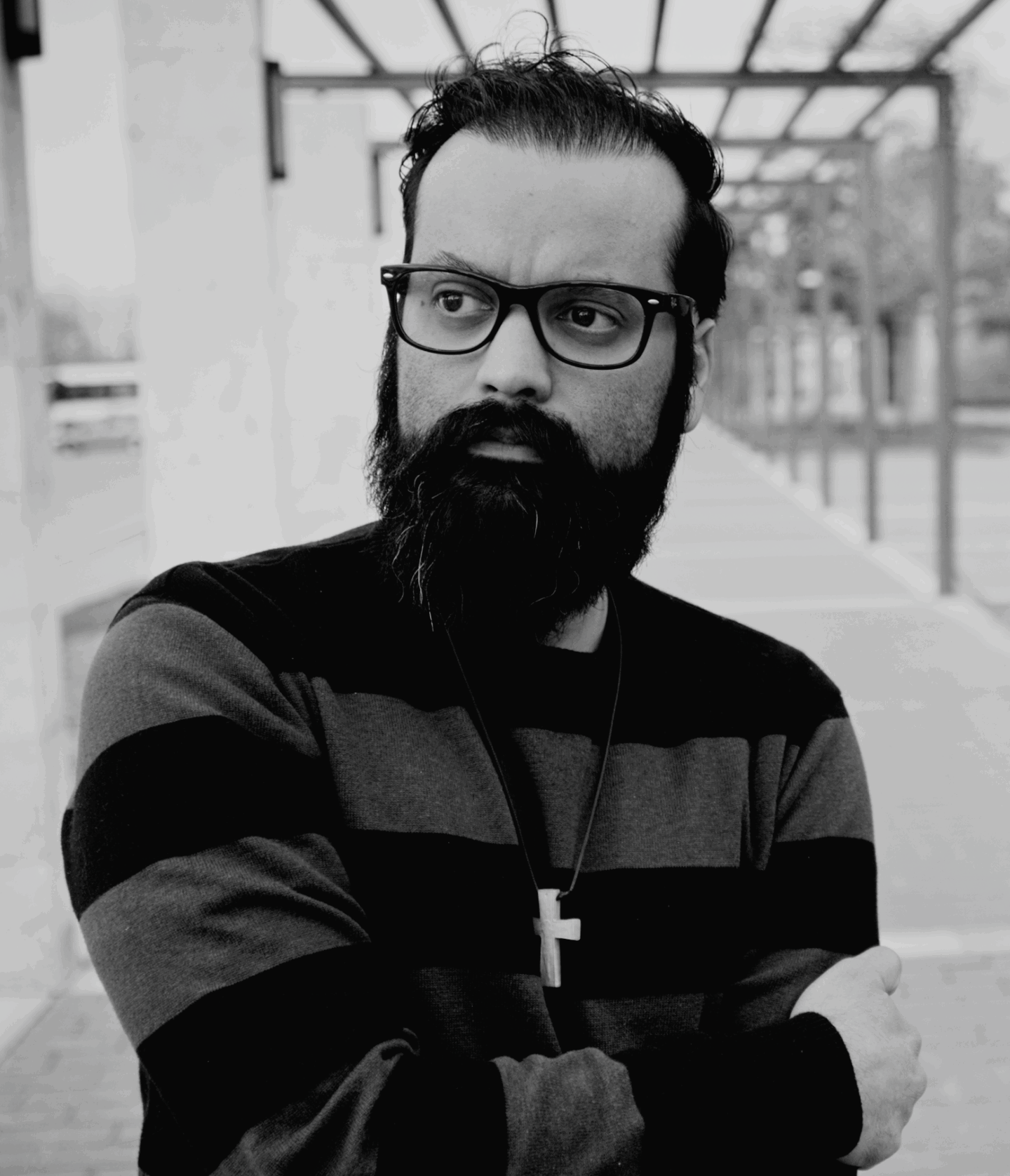
Jorge Ostos, our interviewee, is also a music producer and founder of the project “The Doorway Studio.” In addition to being a musician and producer, Jorge has a degree in Theology and is pursuing a master’s degree in Philosophy (UCA). He belongs to the American Philosophical Association, the British Wittgenstein Society, and the Society of Christian Philosophers. He is a translator of academic, philosophical, and theological texts. He teaches philosophy courses and has written several fiction books and theological-philosophical essays. But beyond his impressive resume, and within his musical tastes, Jorge is interested in Metal, and from that perspective, we interviewed him to learn about his metal side, an opportunity in which he also offered some recommendations on the subject, proving to be well-versed in the topic….
How did metal come into your life?
“Metal came into my life through my brother. There was a time when I was a kid, maybe around 9 years old, and my brother was already a teenager. He would bring home albums by Sepultura, Metallica, Iron Maiden, and similar bands. It was also the height of Marilyn Manson’s popularity; I think he was about to release ”Mechanical Animals.” Well, those were my first encounters with metal. Nu metal was also playing on the radio and MTV, so I was exposed to bands like Korn and Coal Chamber, and a few years later I discovered other bands. In general, it was a circumstantial introduction, and as the years went by and I discovered more and more metal bands, my love and affection for the genre grew, as did my preference for certain subgenres over others.”
Of all the variants and subgenres out there, which do you enjoy the most?
“Look, there are several variants that I like, although I wouldn’t say that I listen to ‘all kinds of Metal’. If I had to name a few, I’d say subgenres like groove metal, death metal, thrash metal, progressive metal, and others that I don’t listen to as often, such as deathcore, southern metal, and post-metal. Those come to mind, but perhaps groove and death are the main ones, followed by progressive and thrash.”
What show did you attend that you remember with excitement?
“I remember two quite clearly and with excitement. For example, the first time I saw Opeth live when they were touring to promote Pale Communion, and it blew my mind. They sound really incredible. I was always curious to see if Åkerfeldt would be able to do his usual growls, since I saw them at a time when he wasn’t doing growls anymore, and there were rumors that he couldn’t do them anymore. But, no way, his voice was brutal. The French band Alcest opened for them, and they also had a very good performance. The second good memory was when I saw Gojira at Luna Park. Man, those guys are great. Even though the sound at Luna Park wasn’t the best, they sounded monstrous. It was also the first time I had seen them, and honestly, they exceeded my expectations. Their stage presence and energy felt euphoric.”
What do you find in metal that you don’t find in other styles?
“You know, one of the things I like most about Metal is its rhythmic creativity. You know that music is generally defined (or at least that’s how Aaron Copland described it) by four elements: rhythm, melody, harmony, and timbre. Of course, these four elements are found in most metal subgenres, from progressive metal with intricate rhythms to black metal with dense, repetitive rhythms that create a hypnotic feeling. But the feeling that the rhythmic structures of some compositions give me is one of the things that captivates me most about metal. That’s precisely why groove and death metal, and even deathcore, captivate me: because of the rhythm. Obviously, these things can be found in other genres, where rhythm has more presence than melody, so to speak. The difference is that, at least for me, I like that characteristic more in Metal.”
What projects have you worked on as a composer or producer in this genre?
“Actually, I haven’t officially been involved in a Metal project as a composer. However, I have done some related things. Many years ago, I tried to compose some more experimental pieces. I was starting to make my first recordings and productions, and I tried to do something close to Metal. An acquaintance of mine who did growling vocals even recorded some takes for what I had composed. But in the end, that’s all it was: an experimental demo. After that, I didn’t do anything else related to metal in terms of composition. As a producer, yes: in fact, right now I’m producing and, above all, working on the mixing and mastering of two albums by two melodic black metal bands from the Dominican Republic. Both bands are releasing their respective albums this year, and I’ve worked on most of them.”
Does your progressive rock project Onírico have any Metal influences?
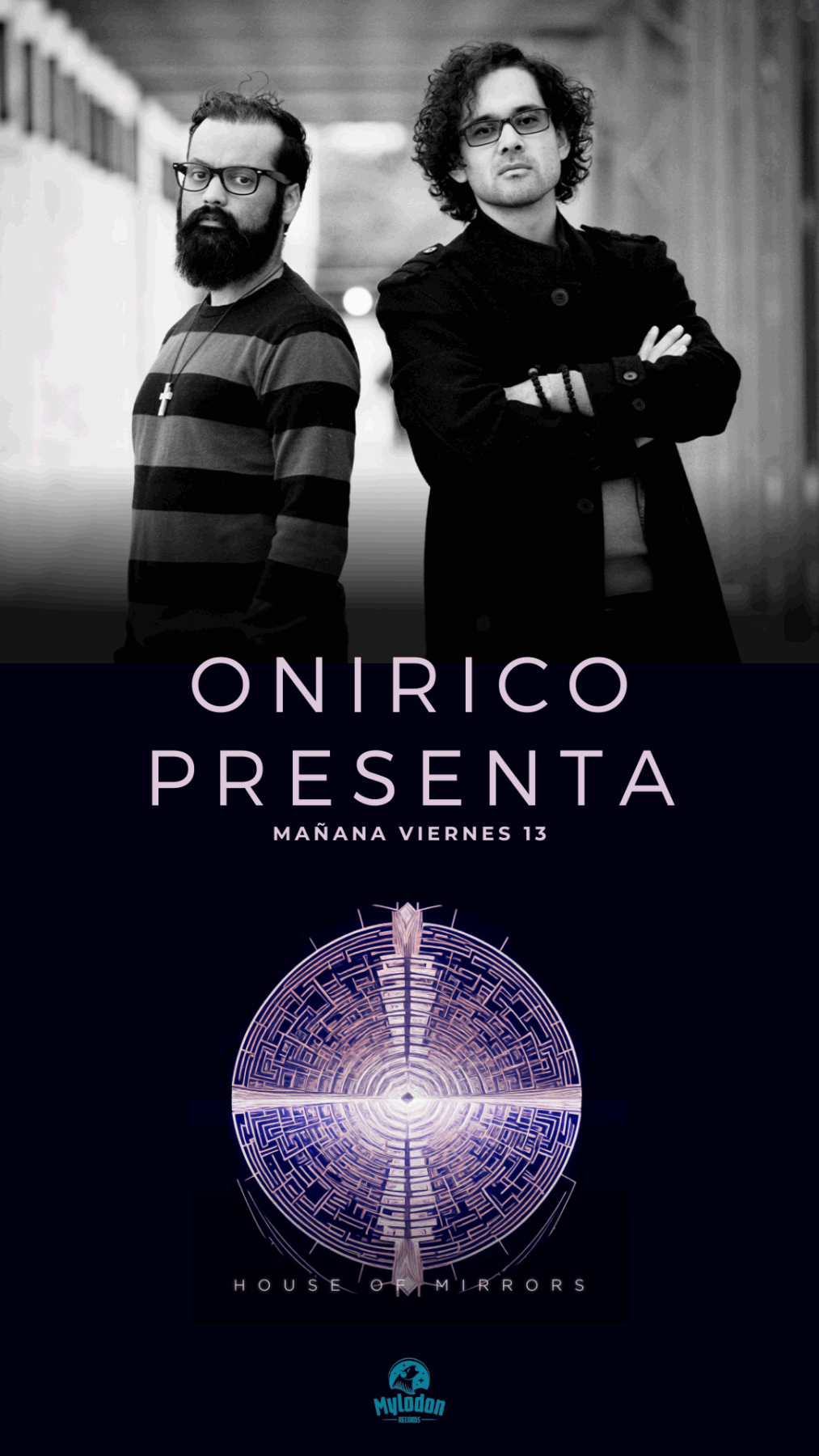
“Onírico does, of course, have Metal influences. Just last December, we released our debut album, including a physical edition, which will soon be on the market. In general, Benjamín (my colleague from Onírico) and I made a progressive rock album, more classic than modern. With more melodic influences from Pink Floyd, but for the most part we tried a more symphonic progressive style from Genesis and Spock’s Beard. The result was quite satisfactory. There is one song, Ex Nihilo, on the album that has a progressive metal feel to it, with hints of groove or even metalcore, but without being too pretentious. Perhaps, I think it’s the clearest example of a Metal influence on Onirico’s debut album.”
Do you plan to participate in any metal projects?
“I don’t have anything in the works at the moment. But I’m always open to working with the genre, either as a musician or (and I think even more so) as a producer. So, any offers are welcome.”
You also wrote album reviews. Do you plan to write any new ones?
“Yes, I’ve written several reviews within and outside the genre. Right now, I’m focused on other areas of my career, but I’m always ready for any requests for reviews and similar things. Writing reviews is something I really enjoy, not only because you have to listen to the product more carefully and with a more open mind, but also because you exercise reflection and artistic appreciation, which is something that is so rarely practiced today.”
Three metal recommendations from Jorge Ostos:
“Ronnie James Dio: This Is Your Life” – Various Artists
“Listening to titans of the genre pay tribute to Dio evokes a mixture of admiration and nostalgia. Anthrax’s performance manages to capture that energy I always associated with Dio’s albums, while Killswitch Engage surprised me with their ability to maintain the essence of the master while adding their own stamp as a band.
I chose it because, in general, tribute albums are not usually that relevant (although there are exceptions), but this one stands out above many others, transforming itself into a vibrant and authentic celebration of Dio’s legacy. For collectors or trivia lovers like me, the Japanese edition with Stryper’s version of “Heaven and Hell” is a gem that adds an exclusive touch, making this album even more memorable.”
“Cryptic Writings” – Megadeth
“This album represents an artistic risk that I have always admired. Megadeth steps out of its comfort zone to explore new sounds, and although it may have divided opinions, for me it is a bold demonstration of its ability to evolve. Dann Huff’s production is something that fascinates me deeply (in fact, it was my admiration for Huff that made me approach the album with a more open mind). His ability to highlight details and sonic nuances elevates the compositions to a level that, as a professional, I find inspiring. This choice is based on my belief that both this album and its successor, Risk, both produced by Dann Huff, are excellent and deserve much more recognition than they have received. Both albums are a reminder that art can sometimes grow through experimentation and courage.”
“Scourge” – Monotheist
“When I first heard this album, it completely captivated me. From its impeccable brutality to its unexpected touches of progressive, avant-garde, and even jazz, it evoked memories of works such as Colors by Between the Buried and Me. Scourge is a work that pushes the boundaries of extreme metal, something that I believe requires exceptional talent.
I wasn’t sure about choosing this one because the band is so little known, but the musical diversity it offers is genuine, and this type of experimentation rarely turns out so well. Definitely, these drastic transitions add a complex depth to the chaos, making this album a must for those who appreciate musical diversity and creative audacity.”
Having the opinion of someone with so much experience in the music industry is truly a luxury. Through the interview, we were able to discover part of Jorge’s “metalhead” side. Needless to say, we are grateful to Jorge Ostos for his willingness to participate in this interview, and we recommend not only giving Onírico a listen, but also following them on social media, for which we leave you their contact information…
https://instagram.com/oniricomusic